

November 12, 2026
Dental Care
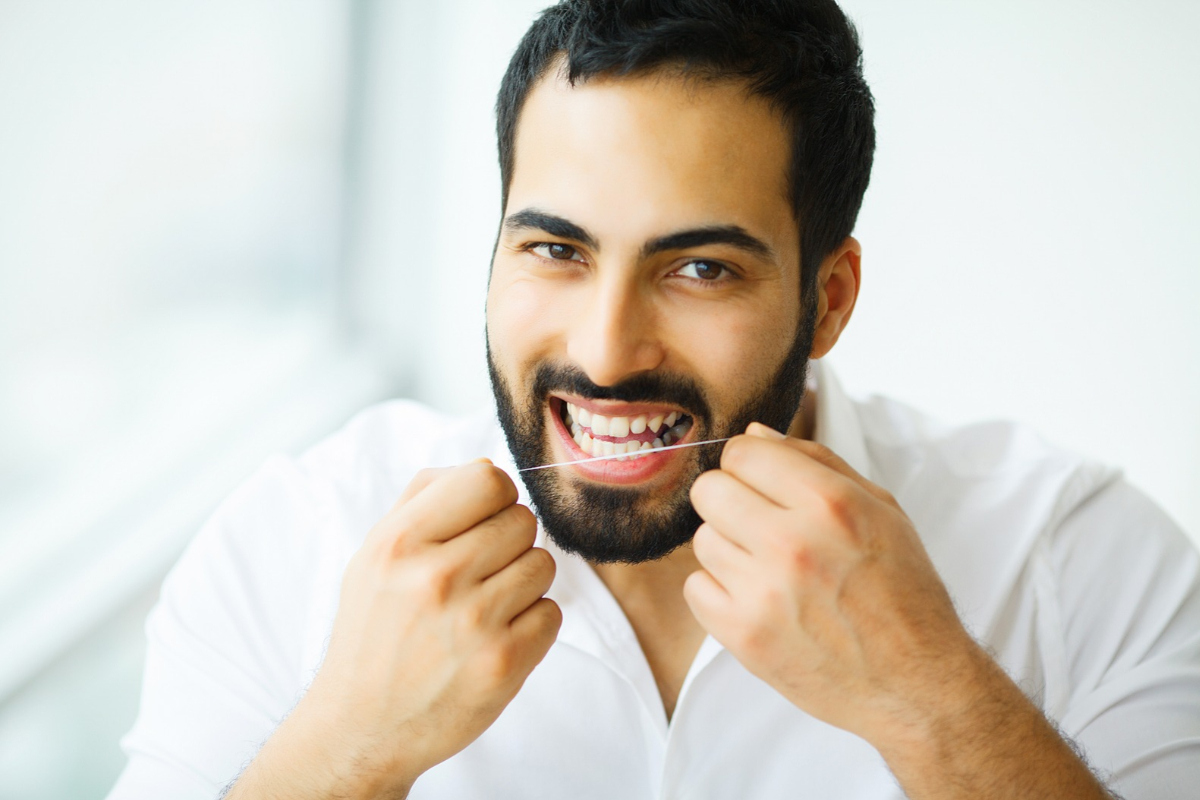
Brushing your teeth twice a day may already be part of your routine, but are you giving the spaces between your teeth the same attention? Food particles and plaque can collect in areas your toothbrush cannot reach easily. Over time, this buildup may contribute to cavities, gum irritation, and other oral health concerns. That is why knowing the best time to floss matters just as much as remembering to brush.
For many people, flossing becomes an afterthought, especially during busy mornings or when they feel tired at night. If you have wondered whether morning or evening is better, the answer is simpler than you might expect. Both can work, as long as you floss properly and make it a daily habit.
Whether you are maintaining your smile at home or visiting a dentist in Fremont for routine preventive care, understanding the right flossing routine can help you protect your teeth and gums.
Is Morning or Night the Best Time to Floss?
There is no single time that works best for everyone. The American Dental Association recommends cleaning between your teeth once a day, but it does not require you to floss at a particular hour.
What matters most is consistency. Morning flossing can help remove food particles and plaque that remain between teeth, while nighttime flossing clears away debris collected throughout the day.
If you often forget to floss, choose the time when you are most likely to follow through. For some people, that means adding it to their morning routine. Others find it easier to floss before bed.
Why Morning Flossing Can Be Helpful
Morning flossing gives you an opportunity to clean between your teeth before starting the day. It may be particularly convenient if you already have a consistent morning oral care routine.
Some potential benefits include:
- Removing food debris left between teeth overnight.
- Starting the day with cleaner spaces between your teeth.
- Making flossing part of an established morning habit.
- Helping you feel more comfortable before breakfast or social activities.
However, morning flossing does not replace brushing or cleaning between your teeth later in the day if food becomes trapped.
Benefits of Flossing at Night
For many people, nighttime is a practical choice because it allows them to remove the food particles and plaque that have accumulated throughout the day.
The benefits of flossing at night include:
- Clearing debris collected during meals and snacks.
- Removing plaque from areas that toothbrush bristles may miss.
- Supporting healthier gums through consistent cleaning.
- Keeping your nighttime oral hygiene routine complete.
Flossing before bed can be especially useful if you tend to snack throughout the day. It helps ensure that food debris does not remain trapped between your teeth overnight.
When to Floss Teeth: Morning or Night?
If you are unsure when to floss teeth morning or night, consider your daily schedule rather than worrying about finding a perfect time.
Both options can support good oral hygiene when performed correctly. The following comparison can help you decide which routine fits your lifestyle.
| Morning Flossing | Nighttime Flossing |
|---|---|
| Helps remove overnight debris | Clears food particles collected during the day |
| Fits into a morning routine | Fits into a bedtime routine |
| Convenient for people with consistent mornings | Useful for people who snack or eat several meals |
| Helps start the day with clean interdental spaces | Helps finish the day with a complete cleaning routine |
There is no need to force yourself into a nighttime routine if you consistently forget it. A morning habit that you maintain every day is more beneficial than an ideal routine you rarely follow.
Should You Floss Before or After Brushing?
The order of flossing and brushing can also make a difference to your cleaning routine.
Research published in the Journal of Periodontology found that flossing before brushing was more effective at reducing interdental plaque and increasing fluoride retention between teeth compared with brushing first and flossing afterward.
This suggests that flossing first may offer an advantage.
Why Flossing Before Brushing Can Help
When you floss first, you loosen food particles and plaque from between your teeth. Brushing afterward helps remove the loosened debris and allows fluoride toothpaste to reach those areas.
A simple daily routine looks like this:
- Floss first: Gently clean between every tooth, including the back teeth.
- Brush second: Use a fluoride toothpaste and a soft-bristled toothbrush.
- Clean your tongue: Gently brush your tongue to help remove bacteria.
- Spit out excess toothpaste: Avoid immediately rinsing with water so fluoride can remain on your teeth.
If you usually floss after brushing, do not stop flossing. Maintaining the habit is more important than avoiding it because of the order.
How to Floss Properly Without Hurting Your Gums
Knowing the best time to floss is only one part of good oral hygiene. Your technique matters, too. Incorrect flossing can irritate your gums, especially if you snap the floss forcefully between your teeth.
Follow these steps for gentle, effective cleaning.
Step 1: Use Enough Floss
Take approximately 18 inches of dental floss. Wind most of it around the middle fingers of both hands, leaving a few inches available for cleaning.
Step 2: Guide the Floss Carefully
Hold the floss between your thumbs and index fingers. Gently slide it between your teeth using a controlled back-and-forth motion.
Avoid forcing it into tight spaces.
Step 3: Curve Around Each Tooth
Once the floss reaches the gumline, curve it into a C shape around one tooth. Move it gently up and down along the side of the tooth, slightly beneath the gumline without forcing it.
Repeat the movement against the neighboring tooth.
Step 4: Use a Clean Section for Each Space
Move to a fresh section of floss as you clean each gap. This helps avoid transferring debris from one area to another.
If traditional floss is difficult to use, consider alternatives such as floss picks, interdental brushes, or a water flosser. Your dental professional can help you choose an option that suits your needs.
Why Daily Flossing Matters for Your Gum Health
Brushing cleans the visible surfaces of your teeth, but it cannot fully reach the narrow spaces between them. These areas can collect plaque, a sticky film of bacteria that contributes to tooth decay and gum inflammation.
The importance of daily flossing becomes clearer when you consider what can happen when these spaces remain uncleaned.
Regular interdental cleaning can help:
- Reduce plaque buildup between teeth.
- Lower the risk of cavities in hard-to-reach areas.
- Support healthy gum tissue.
- Reduce food debris that can contribute to bad breath.
- Help manage early signs of gum inflammation.
If your gums bleed when you floss, it may be a sign of inflammation, especially if the bleeding continues. Gentle, consistent cleaning may help, but persistent bleeding, swelling, or tenderness should be evaluated by a dental professional.
When Should You Talk to Your Dentist About Flossing Problems?
Flossing should not cause significant pain or discomfort. If you regularly experience bleeding, swollen gums, or difficulty cleaning between certain teeth, it may be time to have your gums examined.
Common signs to pay attention to include:
- Gums that bleed frequently during flossing.
- Redness or swelling around the gumline.
- Persistent bad breath.
- Food frequently getting stuck between particular teeth.
- Gum tenderness or discomfort when cleaning.
These symptoms can sometimes indicate gingivitis, gum recession, or other periodontal concerns. Early evaluation can help identify the cause before the problem progresses.
If you live in Fremont, NE, Fremont Dental Group can assess your gum health, answer questions about your flossing technique, and recommend suitable oral hygiene products. If you have ongoing gum discomfort or bleeding, schedule an appointment for a dental evaluation.
Make Flossing Part of Your Daily Routine
The best time to floss is ultimately the time you can stick with every day. Morning and nighttime flossing both offer benefits, but consistency and proper technique matter more than the clock.
Pairing daily flossing with twice-daily brushing and regular dental checkups can help reduce plaque buildup and support healthier gums. For additional guidance, the American Dental Association’s oral health recommendations explain why cleaning between your teeth is an important part of daily care.
At Fremont Dental Group, we encourage patients in Fremont, NE, to build simple habits that support long-term oral health. If you have questions about your gum health or need help improving your cleaning routine, our team can help you take the next step toward a healthier smile.
Frequently Asked Questions
Is it better to floss in the morning or at night?
Both are acceptable. Nighttime flossing helps remove food particles and plaque accumulated throughout the day, while morning flossing can help remove overnight debris. Choose the time you can maintain consistently.
Can I floss twice a day?
Yes. You can floss in the morning and evening if you prefer. However, cleaning between your teeth at least once daily is the general recommendation for most people.
Should I floss before or after brushing?
Flossing before brushing may offer an advantage because it loosens plaque and debris that brushing can help remove. However, flossing after brushing is still beneficial.
Is it normal for gums to bleed when flossing?
Occasional bleeding may occur when you first start flossing, particularly if your gums are inflamed. Consistent, gentle cleaning can help improve gum health. However, frequent or persistent bleeding should be checked by a dental professional.
What can I use instead of traditional dental floss?
Floss picks, interdental brushes, and water flossers are alternatives. The right option depends on the spaces between your teeth, your dexterity, and your dental needs.
Recent Posts
November 12, 2026
When’s the Best Time to Floss—Morning or Night?
November 7, 2026
What Happens During Your Dental Crown Appointment: A Step-by-Step Guide
November 2, 2026
Implants vs. Dentures vs. Bridges: Which Really Lasts Longest

October 12, 2026
Dental Implants vs Dentures: Which Option Actually Fits Your Life

August 24, 2026