

November 7, 2026
Dental Crowns
If you have an upcoming crown procedure, you might feel unsure about what to expect. Understanding what happens during your dental crown appointment — a step-by-step guide for Fremont patients — can help ease that anxiety. At Fremont Dental Group, Dr. Caitlin Fleissner and her team believe an informed patient is a comfortable patient. Let’s walk through the entire process together, from the first injection to your final, polished crown.
Why You Might Need a Dental Crown in Fremont
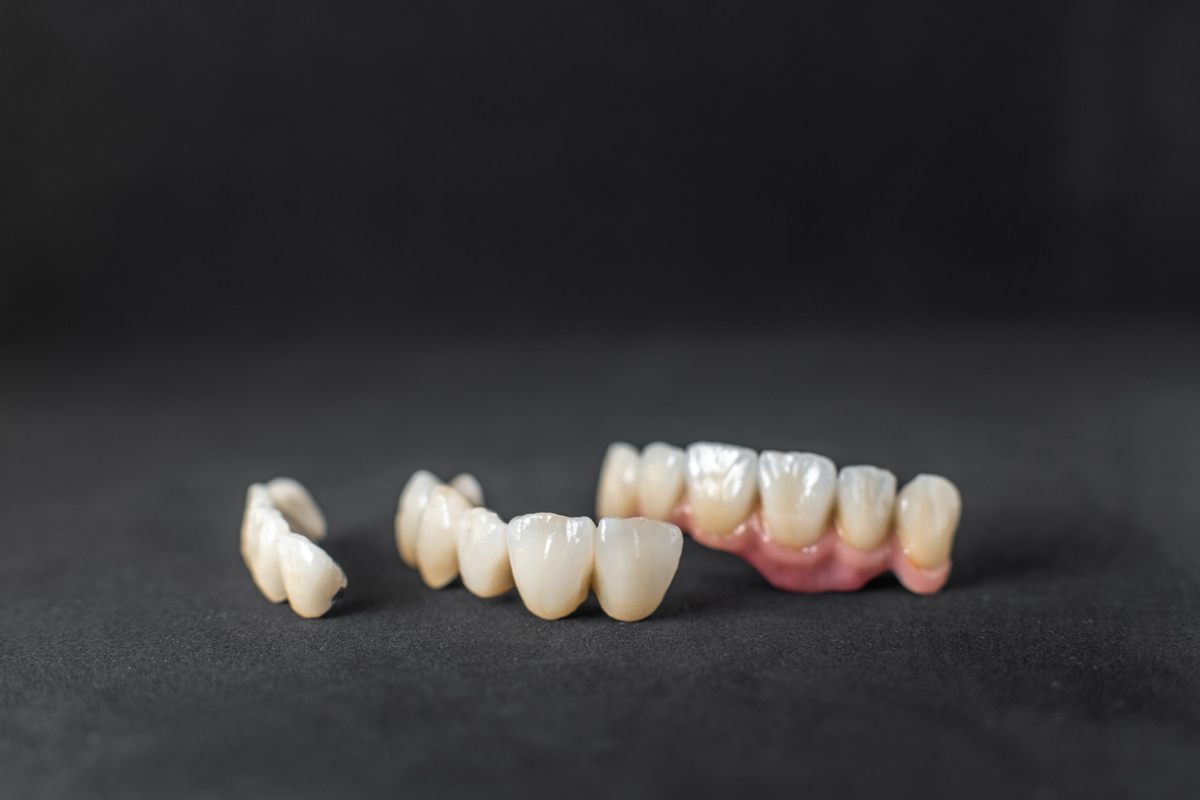
A dental crown is a tooth-shaped cap that covers a damaged or weakened tooth. It restores the tooth’s shape, strength, and appearance. Dr. Fleissner may recommend a crown for several reasons, including a cracked tooth, a large cavity, or a tooth that recently had a root canal.
Crowns are also used to anchor dental bridges or to cover a dental implant. They blend naturally with your surrounding teeth. Most crowns today are made from ceramic or porcelain for a lifelike look.
Here are some of the most common reasons patients in Fremont need a crown:
- A tooth cracked or fractured from an injury
- Severe decay that cannot be repaired with a filling
- A tooth weakened after root canal treatment
- Worn-down teeth caused by bruxism or grinding
- Cosmetic corrections for misshapen teeth
Step-by-Step: What Happens at Your First Crown Appointment
Most crown procedures require two separate visits to our Fremont dentist office. The first appointment focuses on preparing the tooth and placing a temporary crown. Here is exactly what happens during that visit.
Step 1 — Numbing the area. Dr. Fleissner starts by applying a topical numbing gel to your gum. Then she administers a local anesthetic injection. Most patients feel only a mild pressure sensation. The tooth and surrounding gum become fully numb within a few minutes.
Step 2 — Removing decay and shaping the tooth. Once you are comfortable, the dentist removes any decay. She then reshapes the tooth so the crown will fit properly over it. This step can feel like light vibration but should never cause pain.
Step 3 — Taking an impression. Next, the team captures a detailed impression of your prepared tooth. This impression goes to a dental lab where your custom crown is fabricated. Digital scans may be used instead of traditional putty molds.
Step 4 — Placing a temporary crown. While your permanent crown is being made, Dr. Fleissner places a temporary crown. This protects your tooth and keeps it functional. The temporary crown is made chairside and is cemented with a softer, removable adhesive.
What to Expect Between Your Two Appointments
After your first visit, your permanent crown typically takes one to two weeks to arrive from the lab. During this time, the temporary crown keeps your tooth protected. It is important to treat the temporary crown with care.
Follow these tips while wearing your temporary crown:
- Avoid sticky or chewy foods like caramel or gum
- Chew on the opposite side of your mouth when possible
- Brush gently around the temporary crown
- Avoid flossing by pulling upward — slide the floss out sideways instead
- Contact your emergency dentist right away if the temporary crown comes loose
Some mild sensitivity to hot or cold is normal during this period. This usually fades once the permanent crown is placed. Over-the-counter pain relief can help manage any discomfort.
Your Second Visit: Final Crown Placement in Fremont
When your permanent crown arrives, you return to Fremont Dental Group for the final seating appointment. This visit is usually quicker and more straightforward than the first. Here is what happens during this step-by-step process.
Step 1 — Removing the temporary crown. Dr. Fleissner gently removes the temporary crown. She cleans the tooth to remove any remaining temporary cement. This ensures the permanent crown will bond securely.
Step 2 — Trying in the crown. The permanent crown is placed on the tooth without adhesive first. Our dentist checks the fit, bite, and color carefully. She makes small adjustments if needed to ensure it feels completely natural.
Step 3 — Cementing the final crown. Once the fit is perfect, the dentist bonds the crown permanently. A dental cement secures it firmly in place. Any excess cement is cleaned away, and your bite is checked one final time.
The entire second appointment usually takes under an hour. Most patients leave the office feeling relieved and satisfied with the result. Your new crown looks and functions just like a natural tooth.
How Crowns Fit Into Your Overall Dental Health
A dental crown is just one part of a complete care plan at Fremont Dental Group. Dr. Fleissner takes a whole-mouth approach to your smile. She considers how each treatment connects to your long-term oral health.
Crowns are built to last many years with proper care. Brushing twice daily, flossing, and attending regular checkups keep your crown in excellent condition. Avoiding habits like grinding or chewing ice also protects your investment.
Ready to Move Forward With Your Dental Crown?
Knowing what happens during your dental crown appointment — from numbing to final placement — makes the process far less intimidating. At Fremont Dental Group, Dr. Caitlin Fleissner and her caring team guide you through every single step. You will never feel left in the dark or unsure of what comes next. Contact now to schedule your appointment with our team.
Frequently Asked Questions
Does getting a dental crown hurt?
The procedure itself should not hurt at all. Our dentist uses local anesthesia to fully numb the area before beginning. You may feel pressure or vibration, but not pain. Some mild soreness after the numbing wears off is normal and usually fades within a day or two.
How long does a dental crown last?
With proper care, a dental crown typically lasts between 10 and 15 years. Some crowns last even longer. Good oral hygiene, regular checkups, and avoiding hard foods or grinding habits extend the lifespan of your crown significantly.
Can I eat normally with a temporary crown?
You can eat with a temporary crown, but you should be cautious. Avoid sticky, hard, or chewy foods that could dislodge or crack the temporary. Stick to softer foods and chew on the opposite side of your mouth when possible.
How many appointments does a crown take?
Most traditional crown procedures require two appointments. The first visit prepares the tooth and places a temporary crown. The second visit — usually one to two weeks later — seats the permanent crown. Dr. Fleissner will confirm the timeline during your consultation at Fremont Dental Group.
What happens if I grind my teeth and have a crown?
Teeth grinding, also known as bruxism, can wear down or crack a crown over time. Our dentist may recommend a custom night guard to protect your crown while you sleep. This simple device can significantly extend the life of your restoration and protect your other teeth as well.
Recent Posts

November 12, 2026
When’s the Best Time to Floss—Morning or Night?
November 7, 2026
What Happens During Your Dental Crown Appointment: A Step-by-Step Guide
November 2, 2026
Implants vs. Dentures vs. Bridges: Which Really Lasts Longest

October 12, 2026
Dental Implants vs Dentures: Which Option Actually Fits Your Life

August 24, 2026