


October 12, 2026
Dental Health
Choosing between dental implants vs dentures is one of the biggest decisions you can make for your smile. For patients in Fremont, NE, it can feel overwhelming. Both options replace missing teeth, but they work very differently. Understanding those differences helps you make a confident, informed choice for your life.
Dr. Caitlin Fleissner at Fremont Dental Group works with patients every day who face this exact question. This article breaks down the key differences so you can decide what truly fits your needs, your budget, and your long-term health goals.
How Dental Implants and Dentures Actually Work
Dental implants are small titanium posts placed directly into your jawbone. They act as artificial tooth roots. A crown is attached on top to look and feel like a natural tooth. The result is a stable, permanent tooth replacement.
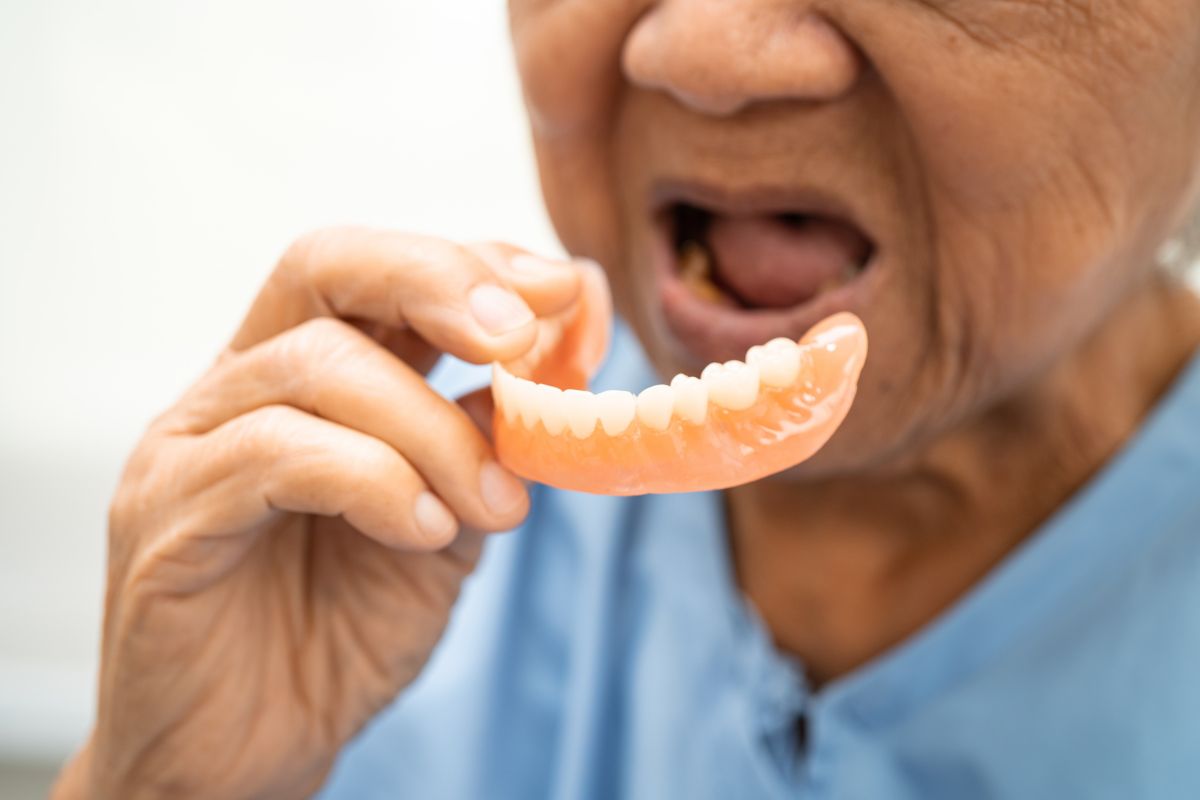
Dentures are removable appliances that sit on top of your gums. Traditional full dentures replace an entire arch of teeth. Partial dentures fill in gaps when some natural teeth remain. Both options have served patients well for decades.
The core difference is how each one interacts with your jaw. Implants fuse with the bone and stimulate it naturally. Dentures rest on the surface and do not prevent bone loss over time. That difference shapes almost every other comparison between the two.
Dental Implants vs Dentures Fremont: Comparing the Real-Life Experience
Lifestyle impact matters just as much as clinical outcomes. Here is how each option plays out day to day for Fremont patients.
- Eating: Implants let you eat nearly anything. Dentures may limit crunchy or sticky foods.
- Speaking: Implants feel natural and do not shift. Dentures can sometimes slip while talking.
- Cleaning: Implants are brushed like real teeth. Dentures must be removed and soaked nightly.
- Comfort: Implants become part of your jaw. Dentures can cause sore spots on the gums.
- Bone health: Implants preserve jawbone density. Dentures allow gradual bone resorption over time.
- Longevity: Implants can last a lifetime with proper care. Dentures typically need relining or replacement every 5–10 years.
Neither option is universally better. The right choice depends on your health, your preferences, and your priorities. That is exactly why a personalized consultation is so valuable.
Who Is a Good Candidate for Each Option?
Not everyone qualifies for dental implants right away. Good candidates typically have sufficient jawbone density. They must also be in reasonably good overall health. Non-smokers tend to have better implant outcomes than smokers.
Dentures are often a good fit for patients who need a more immediate solution. They require no surgery and no healing period. Patients with significant bone loss may find dentures easier to pursue without additional procedures. Cost is also a factor many Fremont families weigh carefully.
Some patients start with dentures and later transition to implant-supported options. Implant-supported dentures combine both technologies. They snap onto implants for stability but are still removable for cleaning. This middle-ground option works well for many people.
Age is rarely a disqualifying factor on its own. Dr. Fleissner evaluates each patient individually. A thorough exam and conversation about your goals help determine which path makes the most sense for you.
What About Bridges? Understanding All Your Options in Fremont
Bridges are a third option worth mentioning in this comparison. A dental bridge fills a gap by anchoring a false tooth to the natural teeth on either side. This requires those healthy neighboring teeth to be filed down and capped with crowns.
Bridges are a fixed solution, unlike dentures. They do not require surgery, unlike implants. However, they do not prevent bone loss in the gap area. They also place added stress on the supporting teeth over time.
For patients replacing one or two missing teeth, a bridge can be a practical option. For patients missing many teeth, implants or dentures are usually more appropriate. Exploring Cosmetic Dentistry Fremont options with Dr. Fleissner helps you see all available solutions side by side.
Benefits of Dental Implants for Long-Term Oral Health
Many patients in Fremont choose implants specifically for their long-term health benefits. Here is a quick summary of why implants stand out:
- They preserve jawbone and facial structure over time.
- They do not rely on or affect neighboring healthy teeth.
- They provide a natural biting force for comfortable eating.
- They look and feel indistinguishable from natural teeth.
- They require no special adhesives or soaking solutions.
- They can last decades with routine dental care.
These advantages make implants a strong investment for many patients. The upfront commitment is greater, but the long-term benefits often outweigh that. Dr. Fleissner can help you evaluate whether implants align with your health history and lifestyle.
Making the Decision: Questions to Ask Yourself
Before your consultation, reflect on a few important questions. How quickly do you need tooth replacement? Do you have any medical conditions that could affect healing? How important is a permanent, maintenance-free solution to you?
Think about your daily routine and comfort preferences. Consider how you feel about surgical procedures. Also think about whether you want to invest once in a long-lasting solution or prefer a lower upfront cost with future maintenance.
Fremont Dental Group also proudly serves younger patients and families. If you have children who need dental care alongside your own treatment, learning about Pediatric Dentistry Fremont services can help your whole family stay healthy under one roof.
There is no single correct answer for everyone. The best decision is the one made with accurate information and professional guidance tailored to your unique situation.
Your Next Step With Dr. Fleissner in Fremont
Dr. Caitlin Fleissner and the Fremont Dental Group team are here to help you navigate this decision with confidence. You do not have to figure this out alone. A consultation gives you personalized information based on your actual oral health — not just general advice.
Whether you are leaning toward implants, dentures, or are still completely unsure, the right conversation starts with a visit. Our team listens first, then recommends. We want you to feel informed and comfortable every step of the way.
Your smile matters, and so does your quality of life. Take the first step toward clarity today. Book Now to schedule your appointment with our team.
Frequently Asked Questions
How long does the dental implant process take in Fremont?
The full process typically takes several months from start to finish. After the implant post is placed, the jawbone needs time to heal and fuse with the titanium. This healing phase usually lasts three to six months. A crown is then attached once healing is complete.
Can I get dentures if I have bone loss in my jaw?
Yes, dentures are often a viable option even with significant bone loss. However, bone loss can affect how well dentures fit over time. Your dentist may recommend periodic relining to maintain a comfortable fit. In some cases, a bone graft can open up implant options later.
Are dental implants painful to get?
Most patients report less discomfort than they anticipated. The procedure is performed under local anesthesia, so you should not feel pain during placement. Some soreness and swelling are normal in the days following the procedure. Over-the-counter pain relievers typically manage post-procedure discomfort well.
How do I care for dental implants compared to dentures?
Caring for implants is very similar to caring for natural teeth. You brush twice daily, floss regularly, and attend routine dental checkups. Dentures require daily removal and soaking in a cleaning solution overnight. Both options benefit from regular professional cleanings and exams.
Is one option more affordable than the other?
Dentures generally have a lower upfront cost than dental implants. However, implants often require fewer replacements and less maintenance over a lifetime. When you consider the long-term picture, implants can be a cost-effective investment for many patients. Dr. Fleissner can walk you through the financial considerations during a consultation.
Recent Posts
October 12, 2026
Dental Implants vs Dentures: Which Option Actually Fits Your Life

August 24, 2026
The Foundation of Lifelong Smiles: Why Children’s Dental Care Starts with Regular Checkups
August 17, 2026
5 Tips for Adjusting to Life With Dentures

August 10, 2026
Completing Your Smile Makeover With Teeth Whitening
August 6, 2026