

May 4, 2026
Dental Care
In Fremont, where busy lifestyles often include quick snacks and sugary beverages, many people overlook how sugar quietly impacts oral health. While sweet treats can be enjoyable, their long-term effects on teeth and gums are often underestimated. Understanding these hidden risks can help you make smarter dietary choices and maintain a healthier smile.
How Sugar Affects Your Teeth
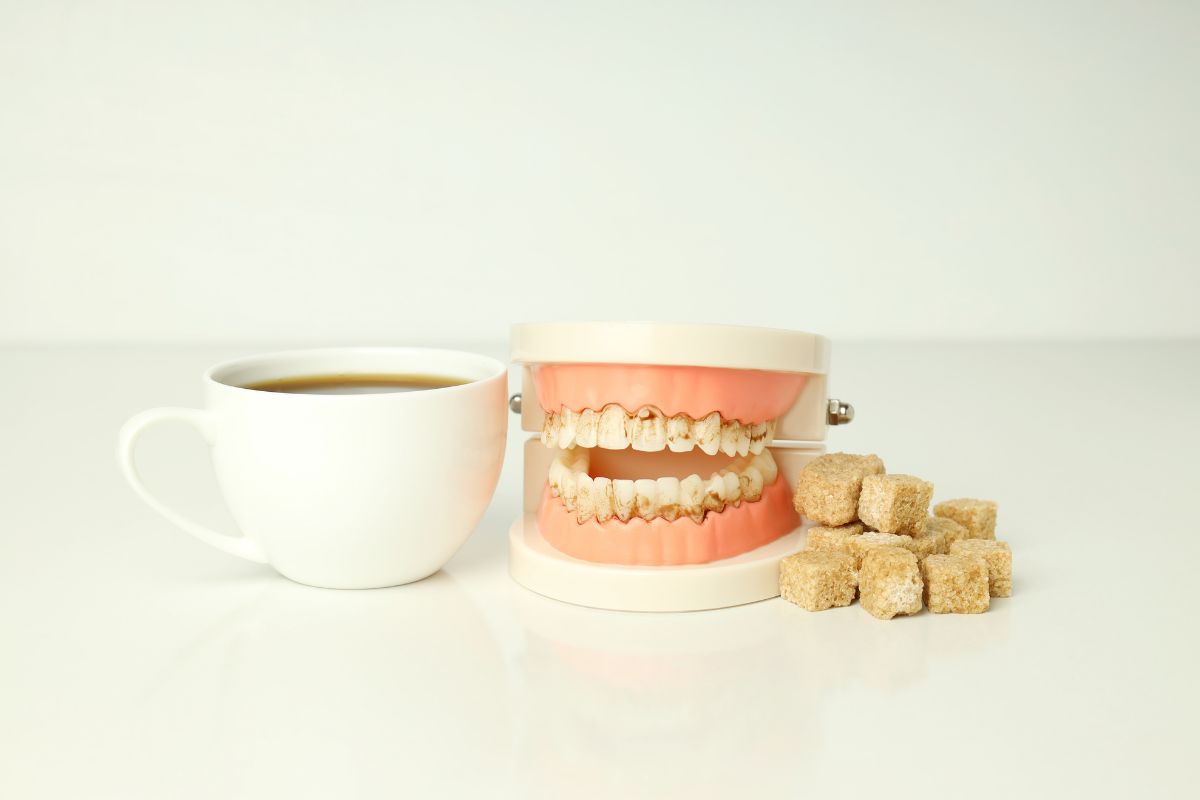
Sugar itself isn’t the direct culprit behind tooth damage, but what happens after you consume it is where the problem begins. When sugar enters your mouth, it interacts with bacteria in plaque, forming acids that attack tooth enamel. This process, known as demineralization, weakens the protective outer layer of your teeth.
Over time, repeated exposure to these acids leads to cavities, sensitivity, and even structural damage. The more frequently you consume sugary foods and drinks, the longer your teeth remain under acid attack, increasing the risk of decay.
The Link Between Sugar and Gum Disease
Inflammation and Bacterial Growth
Sugar doesn’t just harm your teeth—it also affects your gums. High sugar intake encourages the growth of harmful bacteria that can irritate gum tissue. This can lead to inflammation, bleeding, and early-stage gum disease, also known as gingivitis.
If left untreated, gingivitis can progress into periodontitis, a more serious condition that may result in gum recession and tooth loss. Maintaining balanced sugar consumption plays a key role in protecting both your teeth and gums.
Hidden Sugars in Everyday Foods
More Than Just Candy
Many people associate sugar with desserts, but it’s often hidden in foods like bread, sauces, flavored yogurt, and even “healthy” snacks. These hidden sugars can be just as damaging because they frequently go unnoticed.
Reading food labels and being mindful of ingredients like high fructose corn syrup, glucose, and sucrose can help reduce your overall sugar intake. Small changes in your diet can significantly lower your risk of dental problems.
Why Regular Dental Visits Matter
Routine dental checkups play a crucial role in catching early signs of decay caused by sugar. A professional cleaning removes plaque buildup that regular brushing may miss, while exams help identify potential issues before they worsen.
If you’re searching for a trusted dentist in Fremont, consistent visits can make a noticeable difference in maintaining oral health. Preventive care ensures that minor concerns don’t turn into more serious conditions over time. It’s always a smart decision to visit our dental office in Fremont for personalized guidance on protecting your teeth from sugar-related damage.
Tips to Minimize Sugar’s Impact
Smart Habits for Better Oral Health
Reducing sugar doesn’t mean eliminating it entirely, but being mindful of how and when you consume it can help. Drinking water after sugary foods, brushing twice daily with fluoride toothpaste, and flossing regularly can all reduce the harmful effects of sugar.
Chewing sugar-free gum can also stimulate saliva production, which helps neutralize acids and wash away food particles. These simple habits can go a long way in preserving your smile.
Long-Term Effects of Excess Sugar Consumption
Frequent sugar exposure doesn’t just lead to cavities; it can also contribute to enamel erosion, chronic bad breath, and increased dental sensitivity. Over time, untreated decay may require more complex treatments, affecting both oral function and overall well-being.
Taking early action and maintaining consistent oral hygiene can prevent these long-term complications and keep your teeth strong.
Take Charge of Your Oral Health
Your daily choices play a significant role in your dental health. Being aware of sugar’s hidden risks allows you to take proactive steps toward protecting your teeth and gums.
Contact us today to schedule a dental checkup and take the next step toward maintaining a healthier smile.
FAQs
- How does sugar cause cavities?
Sugar feeds bacteria in your mouth, which produce acids that weaken enamel and lead to cavities. - Are natural sugars harmful to teeth?
Yes, natural sugars found in fruits and juices can still contribute to tooth decay if consumed frequently without proper oral hygiene. - How often should I visit the dentist?
It’s recommended to visit a dentist every six months for routine checkups and cleanings. - Can brushing immediately after eating sugar help?
It’s better to wait about 30 minutes before brushing to avoid damaging softened enamel. - What are early signs of sugar-related tooth damage?
Sensitivity, white spots on teeth, and mild discomfort can indicate early enamel erosion. - Does drinking water reduce sugar’s impact?
Yes, water helps rinse away sugar and neutralize acids in the mouth. - Is cutting sugar completely necessary for oral health?
Not necessarily, but reducing intake and maintaining proper dental care significantly lowers risks.
Recent Posts

August 24, 2026
The Foundation of Lifelong Smiles: Why Children’s Dental Care Starts with Regular Checkups
August 17, 2026
5 Tips for Adjusting to Life With Dentures

August 10, 2026
Completing Your Smile Makeover With Teeth Whitening
August 6, 2026
Why Regular Dental Checkups Matter for Long-Term Oral Health

July 27, 2026