

April 1, 2026
Dentist
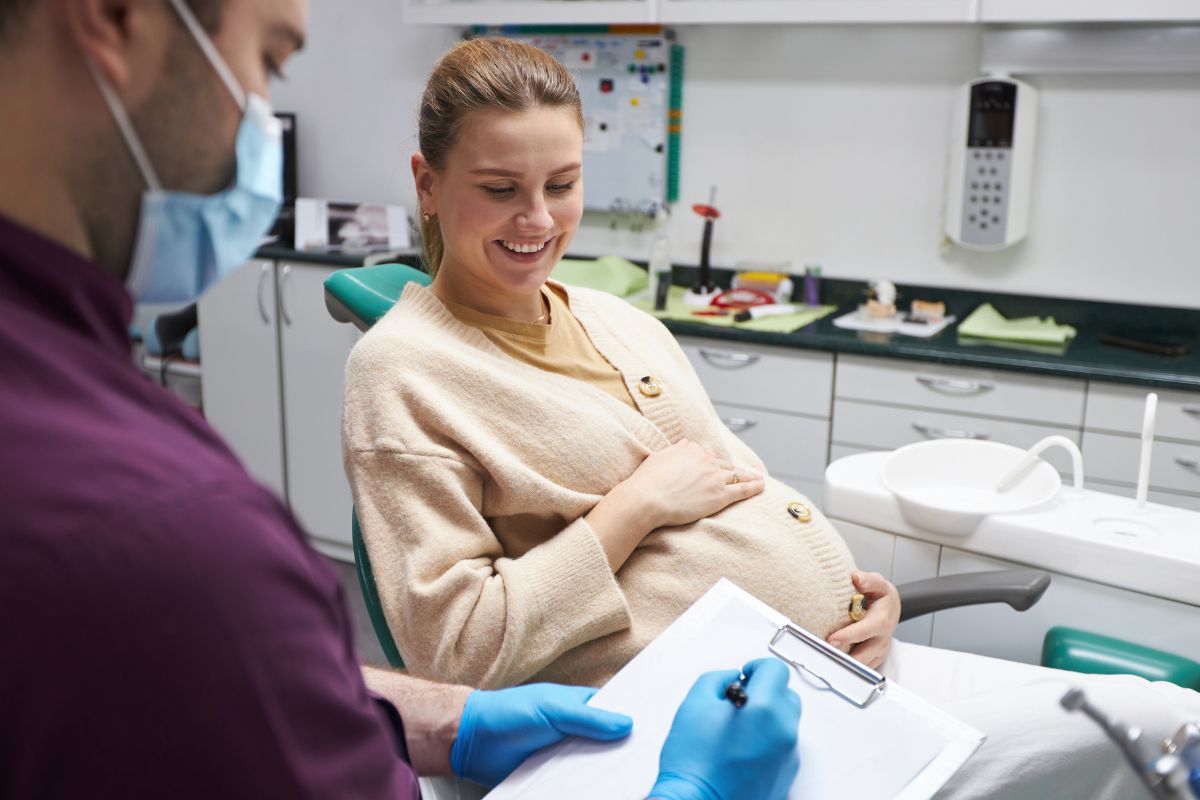
Pregnancy is a transformative time, and maintaining oral health becomes more important than ever. For families in Fremont, staying proactive about dental care can support both maternal and baby wellness. Hormonal changes can affect your gums and teeth in ways that require attention, making regular dental visits and proper hygiene essential throughout each trimester.
How Pregnancy Affects Oral Health
During pregnancy, hormonal fluctuations—particularly increased progesterone—can make gums more sensitive to plaque. This may lead to inflammation, tenderness, or bleeding, commonly known as pregnancy gingivitis. Some individuals may also notice increased tooth sensitivity or a higher risk of cavities due to dietary changes or morning sickness. Understanding these changes helps you respond early and maintain stability in your oral health routine.
Importance of Regular Dental Visits
Routine dental checkups remain safe and important during pregnancy. Informing your dentist about your pregnancy allows them to adjust treatments and take necessary precautions. Many providers, including a trusted dentist in Fremont, are familiar with prenatal dental needs and can guide you through safe care options. Preventive visits help manage potential issues before they become more serious concerns.
Timing Your Appointments
The second trimester is often considered the most comfortable time for dental procedures. However, cleanings and exams can be done at any stage if needed. Emergency care should never be delayed, as untreated infections can affect overall health.
Managing Morning Sickness and Oral Hygiene
Frequent nausea and vomiting can expose teeth to stomach acids, weakening enamel over time. Rinsing your mouth with water or a mild baking soda solution after episodes can help neutralize acid. It’s best to wait about 30 minutes before brushing to avoid damaging softened enamel. Maintaining a consistent brushing and flossing routine supports protection against decay.
Nutrition and Its Role in Dental Health
A balanced diet rich in calcium, vitamin D, and phosphorus contributes to strong teeth and bone development. Foods like dairy products, leafy greens, and nuts are beneficial. Limiting sugary snacks helps reduce the risk of cavities. Staying hydrated also supports saliva production, which helps protect your teeth naturally.
Dental Treatments During Pregnancy
Many dental procedures, including fillings and cleanings, are considered safe during pregnancy. Local anesthesia is generally acceptable when necessary, though elective treatments are often postponed until after delivery. X-rays may be taken with proper shielding if essential. If you have concerns, it’s always wise to discuss them before treatment and visit our dental office in Fremont for personalized guidance.
Preventing Pregnancy Tumors and Gum Issues
Some individuals develop small growths on the gums known as pregnancy tumors, which are typically harmless and may disappear after childbirth. Maintaining excellent oral hygiene and attending regular checkups can reduce the likelihood of such conditions. Early intervention helps ensure comfort and prevents complications.
Taking care of your oral health during pregnancy supports not only your well-being but also your baby’s development. Sticking to dental visits, maintaining good hygiene, and eating a balanced diet can make a meaningful difference. If you’re expecting and have questions about your dental care routine, contact us today to schedule an appointment and receive guidance suited to your needs.
FAQs
- Is it safe to visit the dentist during pregnancy?
Yes, routine dental visits are safe and encouraged to maintain oral health throughout pregnancy. - Can pregnancy cause gum bleeding?
Hormonal changes can increase gum sensitivity, leading to bleeding or swelling. - Are dental X-rays allowed during pregnancy?
They may be performed if necessary, using protective shielding to minimize exposure. - What should I do if I have morning sickness frequently?
Rinse your mouth after vomiting and wait before brushing to protect enamel. - Can I undergo dental procedures while pregnant?
Basic treatments are safe, but elective procedures are usually postponed. - How does diet affect dental health during pregnancy?
Nutrient-rich foods support strong teeth and reduce the risk of decay. - What are pregnancy tumors?
They are non-cancerous gum growths that may develop due to hormonal changes and often resolve after pregnancy.
Recent Posts
August 24, 2026
The Foundation of Lifelong Smiles: Why Children’s Dental Care Starts with Regular Checkups
August 17, 2026
5 Tips for Adjusting to Life With Dentures
August 10, 2026
Completing Your Smile Makeover With Teeth Whitening
August 6, 2026
Why Regular Dental Checkups Matter for Long-Term Oral Health
July 27, 2026