

April 14, 2026
Dentures
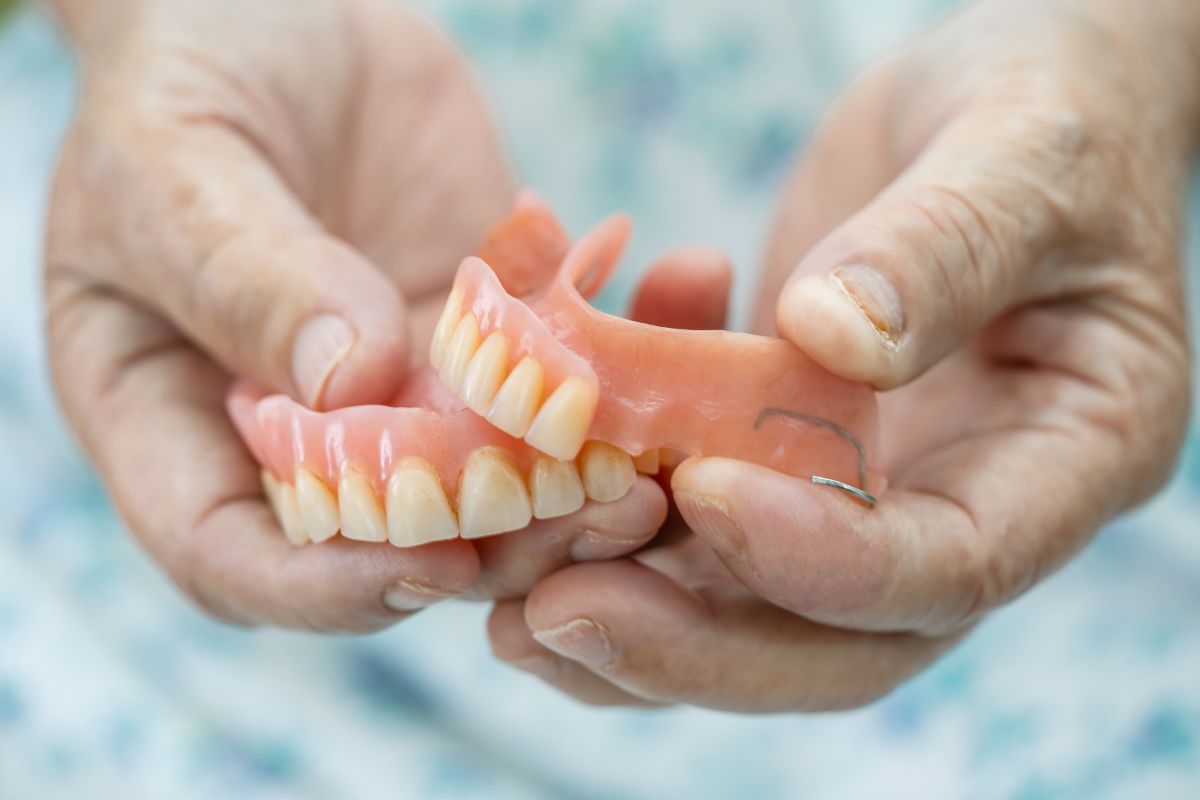
Adjusting to dentures can feel overwhelming at first, especially if you’re new to wearing them. Many patients in Fremont experience minor discomfort, speech changes, and eating challenges during the early days. These initial hurdles are completely normal and manageable with the right habits. Understanding how to adapt to dentures can help you feel more at ease and confident in your daily routine.
Understanding the Initial Adjustment Phase
When you first begin wearing dentures, your mouth needs time to adapt. You may notice increased saliva flow, mild soreness, or a feeling of fullness. These sensations are temporary and typically fade as your oral tissues adjust. Staying consistent with wearing your dentures each day plays an important role in helping your mouth adapt more quickly and comfortably.
4 Practical Ways to Get Used to Dentures
1. Start with Soft Foods and Gradually Progress
Eating is often one of the biggest adjustments. Begin with soft foods such as oatmeal, yogurt, and mashed vegetables. These are easier on your gums and help you get used to chewing with dentures. As you grow more comfortable, you can slowly add firmer foods back into your meals. Cutting food into small pieces and chewing evenly on both sides can improve balance and control.
2. Practice Speaking Every Day
It’s common for speech to feel slightly different at first. Certain sounds may seem harder to pronounce, but this improves with practice. Reading out loud or engaging in regular conversations can help your mouth adjust more quickly. Over time, your speech will return to a more natural rhythm.
3. Maintain Denture Care and Oral Hygiene
Keeping your dentures clean is essential for comfort and overall oral health. Rinse them after meals and brush them daily using a denture-safe cleanser. Don’t forget to gently clean your gums and tongue as well. Many individuals using dental dentures in Fremont find that maintaining proper hygiene helps prevent irritation and supports a more comfortable fit throughout the day.
4. Allow Your Gums to Rest
While wearing dentures consistently is important, giving your gums time to rest is equally beneficial. Removing your dentures at night allows your oral tissues to recover and reduces the risk of soreness. Soaking them overnight also helps maintain their cleanliness and shape, ensuring they are ready for use the next day.
When to Seek Professional Guidance
If discomfort continues beyond the normal adjustment period, it may be time to consult a dentist. Dentures should fit securely without causing ongoing pain or irritation. Small adjustments can make a significant difference in how they feel and function. Regular dental visits also help ensure your dentures remain properly fitted as your mouth changes over time.
Building Confidence with Your Dentures
Adjusting to dentures is not just about physical comfort—it’s also about regaining confidence in your everyday life. With patience and consistent care, dentures can become a natural part of your routine. Many people find that once they adapt, they can enjoy meals, conversations, and social interactions without concern.
Getting used to dentures doesn’t have to be stressful. By following these simple and practical steps, you can ease discomfort and transition into your new routine with greater confidence. If you need guidance or adjustments, make sure to visit our dental office in Fremont for personalized care.
Contact us today to schedule your appointment and take the next step toward a more comfortable smile.
FAQs
- How long does it take to adjust to dentures?
Most individuals adapt within a few weeks, though the timeline can vary depending on personal comfort and usage. - Are sore spots normal with new dentures?
Yes, mild soreness is common initially, but persistent pain should be evaluated by a dentist. - Can I eat normally with dentures?
You can return to a normal diet gradually as you become more comfortable with chewing. - Should dentures be worn all day?
They should be worn regularly but removed at night to allow your gums to rest. - How often should I clean my dentures?
Daily cleaning is essential to maintain hygiene and prevent irritation. - Will my speech return to normal?
Yes, with regular practice, speech typically improves and feels natural again. - When should I see a dentist about my dentures?
If you notice ongoing discomfort, looseness, or irritation, it’s important to schedule a check-up promptly.
Recent Posts

August 24, 2026
The Foundation of Lifelong Smiles: Why Children’s Dental Care Starts with Regular Checkups
August 17, 2026
5 Tips for Adjusting to Life With Dentures

August 10, 2026
Completing Your Smile Makeover With Teeth Whitening

August 6, 2026
Why Regular Dental Checkups Matter for Long-Term Oral Health

July 27, 2026