

July 27, 2026
Pediatric Dentistry
Parents in Fremont often limit candy to protect their children’s teeth, but sugar can hide in many everyday foods and drinks that seem harmless. These hidden sugars feed cavity-causing bacteria, increasing the risk of tooth decay even when children avoid sweets. Understanding where sugar hides can help families make healthier choices that support growing smiles. Knowing what to look for can go a long way toward protecting your child’s oral health.
Hidden Sugar in Flavored Yogurt and Breakfast Foods
Many flavored yogurts, breakfast cereals, instant oatmeal packets, and granola bars contain surprisingly high amounts of added sugar. While these foods may appear nutritious, frequent consumption can expose children’s teeth to sugar throughout the day.
Read Nutrition Labels Carefully
Checking ingredient lists and choosing products with less added sugar can help reduce the risk of cavities while still providing nutritious meal options.
Sugary Drinks Are Not Just Soda
Fruit juices, sports drinks, flavored milk, sweetened teas, and even some smoothies can contain significant amounts of sugar. Since children often sip these beverages slowly, sugar stays on the teeth longer, allowing bacteria to produce acids that weaken enamel.
Water Remains the Healthiest Choice
Encouraging water between meals helps rinse away food particles and supports saliva production, which naturally protects teeth.
Condiments and Packaged Snacks Can Be Hidden Sources
Ketchup, barbecue sauce, flavored crackers, dried fruits, fruit snacks, and packaged applesauce often contain added sugars that many parents overlook.
Families visiting a pediatric dentist in Fremont frequently ask how everyday snacks affect oral health. Choosing whole fruits, vegetables, cheese, plain yogurt, and unsweetened snacks can reduce unnecessary sugar exposure while supporting healthy teeth and gums.
Smart Snack Swaps Protect Growing Teeth
Replacing processed snacks with fresh produce, nuts (when age-appropriate), or cheese helps minimize sugar intake and encourages stronger enamel.
Sticky Foods Stay on Teeth Longer
Sticky foods such as gummy vitamins, dried fruit, fruit leather, and chewy snack bars tend to cling to tooth surfaces. The longer sugar remains on teeth, the greater the opportunity for harmful bacteria to produce acid.
Brush After Sticky Snacks When Possible
If brushing isn’t immediately possible, rinsing with water after eating sticky foods helps remove leftover residue from the mouth.
Frequent Snacking Increases Sugar Exposure
Children who snack throughout the day expose their teeth to repeated acid attacks. Even healthy foods containing natural sugars can contribute to tooth decay if consumed continuously without giving the mouth time to recover.
Give Teeth Time Between Meals
Offering snacks at scheduled times instead of constant grazing helps reduce acid exposure and supports healthier enamel.
Regular Dental Visits Complete Healthy Habits
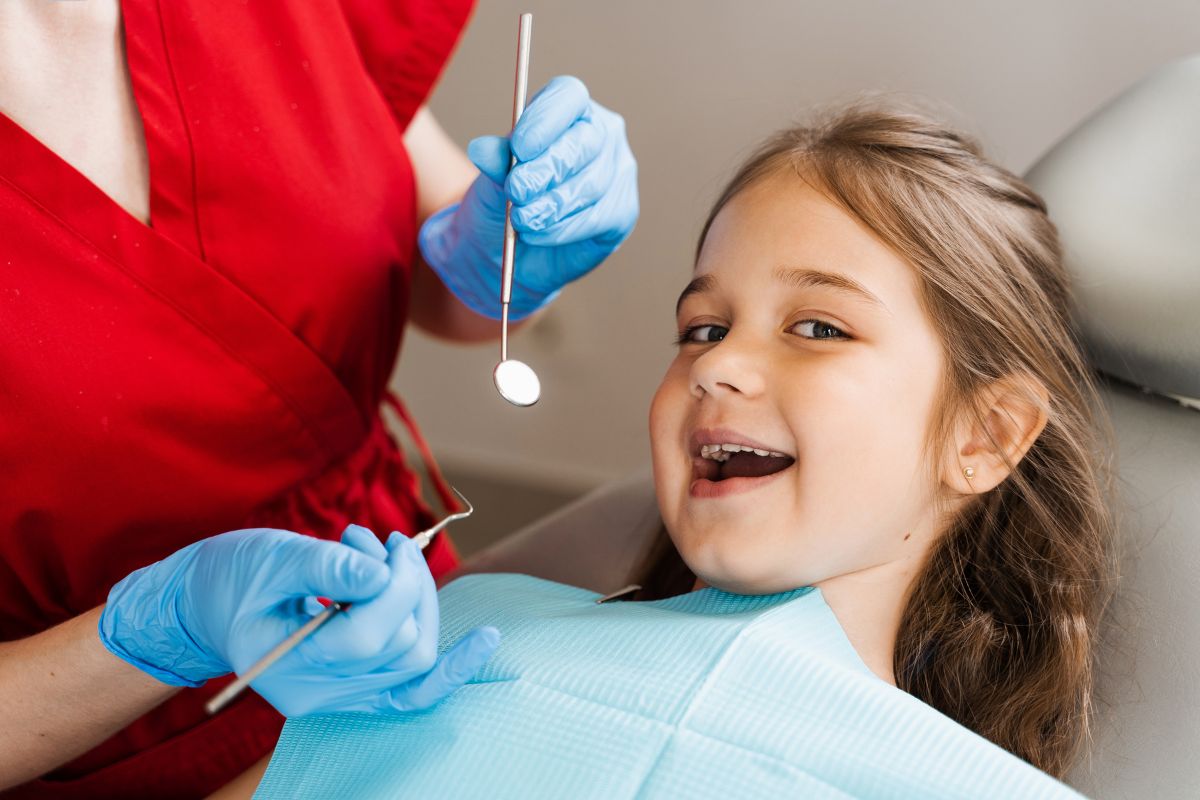
Healthy eating habits work together with brushing, flossing, fluoride, and routine dental checkups. Preventive visits allow dental professionals to monitor your child’s oral development and identify concerns before they become larger issues.
If your child is due for a checkup, visit our dental office in Fremont to help keep their smile healthy through every stage of growth.
Protecting your child’s smile starts with healthy habits and informed food choices. Our team is here to support your family’s oral health with preventive care and personalized guidance. Contact us today to schedule your child’s next dental appointment.
FAQs
- What foods contain hidden sugars that affect children’s teeth?
Flavored yogurt, breakfast cereals, granola bars, fruit snacks, ketchup, sports drinks, and packaged snacks often contain added sugars.
- Is fruit juice healthier than soda for teeth?
While fruit juice contains vitamins, it also contains natural and added sugars that can contribute to tooth decay if consumed frequently.
- Are dried fruits harmful to children’s teeth?
Dried fruits can stick to teeth, allowing sugar to remain on enamel longer and increasing the risk of cavities.
- How can parents reduce hidden sugar in their child’s diet?
Reading nutrition labels, choosing whole foods, limiting sugary drinks, and offering healthier snacks can significantly reduce sugar intake.
- Why is frequent snacking harmful to teeth?
Frequent snacking exposes teeth to repeated acid attacks, giving bacteria more opportunities to weaken enamel.
- How often should children visit the dentist?
Most children benefit from dental checkups every six months, although individual recommendations may vary.
- What drinks are safest for children’s teeth?
Water and unsweetened milk are generally the most tooth-friendly beverages because they do not leave large amounts of sugar on the teeth.
Recent Posts

August 24, 2026
The Foundation of Lifelong Smiles: Why Children’s Dental Care Starts with Regular Checkups
August 17, 2026
5 Tips for Adjusting to Life With Dentures

August 10, 2026
Completing Your Smile Makeover With Teeth Whitening
August 6, 2026
Why Regular Dental Checkups Matter for Long-Term Oral Health
July 27, 2026