

April 19, 2024
Dental Implants
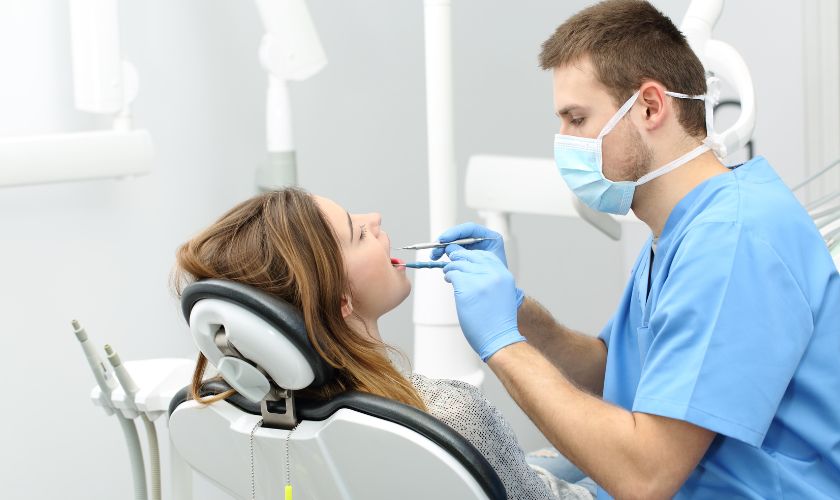
A throbbing toothache, a chipped tooth after a fall, or a sudden bout of facial swelling – dental emergencies can strike at the most inopportune moments, leaving you in pain and scrambling for solutions. But fear not! Suffering in silence isn’t the answer. This blog is here to empower you with the knowledge to handle a dental emergency effectively and get the fast relief you deserve.
Recognizing a Dental Emergency
Not every dental issue requires a frantic rush to the dentist. However, certain situations necessitate prompt attention from an emergency dentist to prevent further complications or permanent damage. Here are some red flags to watch out for:
- Severe toothache: A persistent, throbbing pain that interferes with your daily activities and doesn’t respond to over-the-counter pain relievers.
- Knocked-out tooth: Time is of the essence! Acting quickly can significantly increase the chances of saving the tooth.
- Uncontrolled bleeding in the mouth: Bleeding that won’t stop with gentle pressure requires immediate professional attention.
- Facial swelling: Swelling around the mouth, jaw, or cheek can indicate an infection that needs prompt treatment with antibiotics.
- Fractured jaw: This is a serious injury that requires a visit to the emergency room for immediate treatment and pain management.
Taking Charge: Finding Emergency Dental Care
The key to managing a dental emergency effectively is swift action. Here’s what you should do:
- Call Your Dentist: If your dentist offers emergency services, contact them first. They may be able to accommodate you or recommend another emergency dentist in your area.
- Search Online: Many dental clinics advertise emergency services. Look for clinics near you that offer same-day appointments.
- Visit the Hospital Emergency Room: In severe cases, such as a fractured jaw or uncontrolled bleeding, visit the emergency room for immediate medical attention.
Here are some additional tips to remember during a dental emergency:
- Note down your symptoms: This information will be crucial for the dentist to understand the situation and provide the best course of treatment.
- Gather your dental records: Having any recent X-rays or medical information readily available can expedite the treatment process.
- Stay calm: Dental emergencies can be stressful, but remaining calm will help you think clearly and make informed decisions.
Prevention is Key: Be Prepared
While you can’t predict emergencies, there are proactive steps you can take to minimize their impact:
- Schedule regular dental checkups: Regular checkups allow your dentist to identify and address potential problems early on, preventing them from escalating into emergencies.
- Maintain good oral hygiene: Brushing and flossing regularly removes plaque and bacteria, reducing your risk of cavities, gum disease, and other dental issues that can lead to emergencies.
- Keep your dentist’s contact information on hand: Knowing how to reach your dentist in case of an emergency can save valuable time and reduce stress.
By understanding the signs of a dental emergency, knowing how to find prompt care, and taking preventive measures, you can navigate unexpected dental situations with confidence. Remember, a quick response can make all the difference in preserving your oral health and getting you back to a pain-free smile.
Recent Posts

August 24, 2026
The Foundation of Lifelong Smiles: Why Children’s Dental Care Starts with Regular Checkups
August 17, 2026
5 Tips for Adjusting to Life With Dentures

August 10, 2026
Completing Your Smile Makeover With Teeth Whitening
August 6, 2026
Why Regular Dental Checkups Matter for Long-Term Oral Health
July 27, 2026