

November 2, 2026
Dental Implants
Losing a tooth — or several — is a life-changing moment. Suddenly you’re facing a big decision about how to replace it. When patients ask about implants vs. dentures vs. bridges and which really lasts longest, there’s no single answer that fits everyone. The right choice depends on your bone health, budget, lifestyle, and long-term goals. This guide walks you through each option so you can have a smarter conversation with Dr. Caitlin Fleissner at Fremont Dental Group.
Understanding Your Three Main Tooth Replacement Options
Before comparing lifespans, it helps to understand what each option actually is. These three solutions all replace missing teeth, but they work in very different ways. Knowing the basics sets the foundation for a better decision.
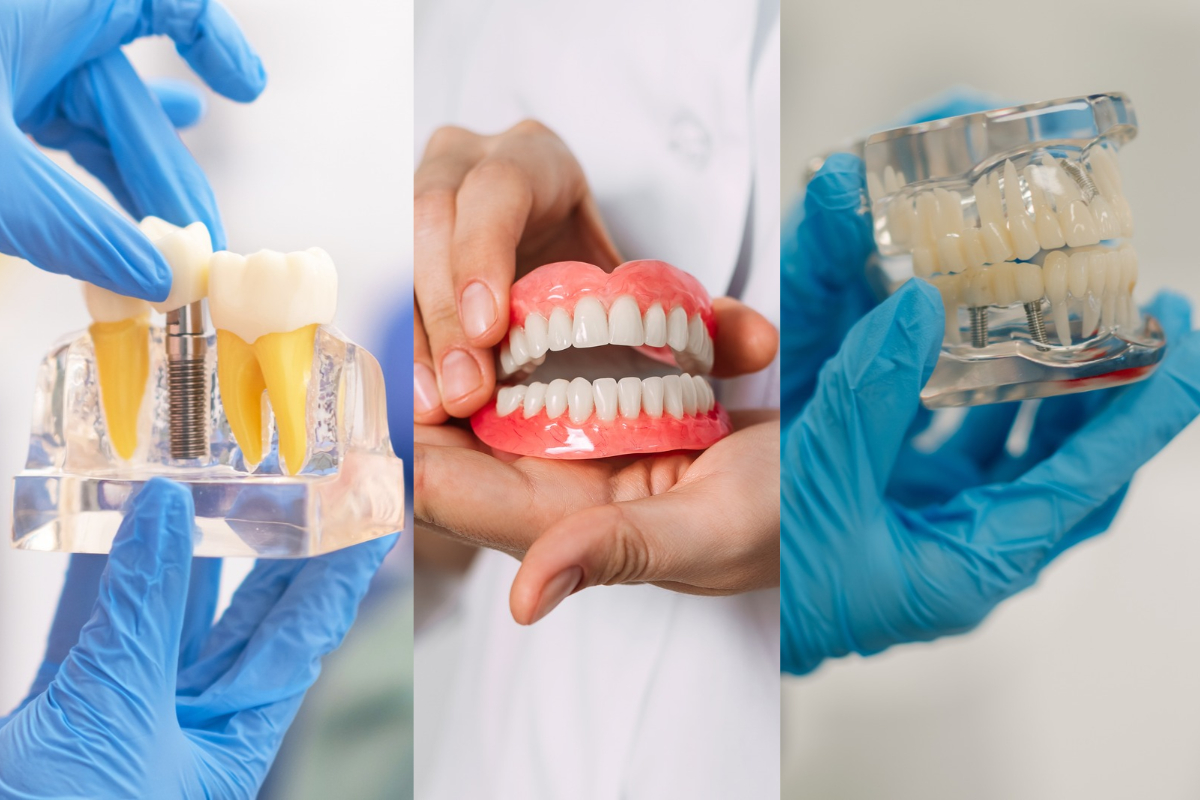
Dental implants are titanium posts surgically placed into the jawbone. They act as artificial tooth roots and support a crown, bridge, or denture on top. They become a permanent part of your jaw over time.
Dental bridges span the gap left by a missing tooth. They anchor to the two teeth on either side of the gap. Those anchor teeth must be filed down to support the bridge, which is a permanent change.
Dentures are removable appliances that replace multiple or all missing teeth. Traditional dentures rest on the gums. Implant-supported dentures combine both technologies for added stability.
Implants vs. Dentures vs. Bridges: Which Really Lasts Longest in Fremont?
This is the question most patients lead with — and for good reason. Longevity directly affects your total cost and overall quality of life. Here’s a straightforward breakdown of how long each option typically lasts.
- Dental implants: With proper care, implants can last 25 years or even a lifetime. The crown attached to the implant may need replacement after 10–15 years, but the implant post itself is highly durable.
- Dental bridges: Most bridges last 10–15 years before they need replacement. The lifespan depends heavily on oral hygiene and how well you protect the anchor teeth.
- Traditional dentures: Dentures typically last 5–10 years. The fit changes as your jawbone shifts over time, requiring relining or replacement.
- Implant-supported dentures: These last significantly longer than traditional dentures — often 15–20 years — because the implants preserve jawbone density.
Implants clearly win on longevity. But that doesn’t automatically make them the right choice for every Fremont patient. Cost, health factors, and timing all matter too.
The Hidden Cost of Choosing a Shorter-Lasting Option
It’s tempting to choose the least expensive option upfront. However, shorter-lasting solutions often cost more over a lifetime. This is a critical point that patients sometimes overlook when comparing choices.
A traditional denture may cost less initially. But replacing it every 5–8 years adds up quickly. You also pay for adjustments, adhesives, and potential bone loss treatments down the road.
A bridge protects fewer teeth over time than implants do. The process of filing down healthy anchor teeth creates long-term vulnerability. Those anchor teeth become more prone to decay and may eventually need crowns or root canal treatment.
Implants preserve the jawbone by stimulating it the same way a natural root does. That bone preservation prevents facial sagging and protects neighboring teeth. The higher upfront investment often pays off significantly over 20 or more years.
Which Option Suits Your Specific Situation?
Every patient’s mouth is unique. The best replacement option depends on several personal health and lifestyle factors. Dr. Fleissner evaluates each patient individually to make the right recommendation.
You may be a strong candidate for implants if you have sufficient jawbone density, healthy gums, and good overall health. Non-smokers and patients without uncontrolled diabetes tend to heal better after implant surgery. Younger patients especially benefit because implants can serve them for decades.
Bridges may suit you if you need a faster solution and the teeth on either side of the gap are already compromised or crowned. They’re also appropriate when bone loss makes implant placement more complex without a bone graft.
Dentures remain an excellent choice for patients missing most or all of their teeth. They also work well for patients who aren’t surgical candidates. Implant-supported dentures offer a great middle ground for patients who want more stability without full individual implants.
- Ask yourself: How many teeth are missing?
- Consider: Is your jawbone healthy enough to support an implant?
- Think about: How important is a permanent, low-maintenance solution to you?
- Reflect on: Are you comfortable with a surgical procedure?
- Factor in: How long do you want this solution to last?
What to Expect at Fremont Dental Group
Dr. Caitlin Fleissner and the team at Fremont Dental Group take a thorough, patient-centered approach to tooth replacement. Your first consultation includes a full exam and discussion of your goals. There’s no pressure — just honest guidance based on your unique oral health.
The practice offers cosmetic dentistry services alongside implant dentistry, meaning your smile aesthetics are always part of the plan. Whether you choose an implant, bridge, or denture, the result should look and feel natural. Every replacement option is chosen with both function and appearance in mind.
During your visit, Dr. Fleissner may also perform an oral cancer screening as part of your comprehensive exam. Early detection makes a significant difference in outcomes. This thorough approach reflects the practice’s commitment to your total oral health — not just the missing tooth.
Making Your Final Decision with Confidence
There’s no wrong question when it comes to replacing a missing tooth. The more you understand your options, the more confident you’ll feel walking into that consultation. Armed with the right information, you and Dr. Fleissner can build a plan that fits your life.
Implants offer the longest lifespan and the most natural function. Bridges provide a faster, non-surgical alternative. Dentures remain a reliable solution for extensive tooth loss. All three options have a place in modern dentistry — it just depends on your situation.
Don’t let missing teeth affect your confidence, your diet, or your oral health any longer. The team at Fremont Dental Group is ready to guide you through every step. Contact now to schedule your appointment with our team.
Frequently Asked Questions
How long do dental implants really last?
With consistent oral hygiene and regular dental visits, the implant post itself can last a lifetime. The crown on top may need replacement after 10–15 years due to normal wear. Overall, implants are the longest-lasting tooth replacement option available today.
Are dental implants painful to get?
Most patients report less discomfort than they expected. The procedure is performed with local anesthesia so you won’t feel pain during surgery. Mild soreness in the days following placement is normal and manageable with over-the-counter pain relievers.
Can I get implants if I’ve had bone loss in my jaw?
Bone loss doesn’t automatically disqualify you from getting implants. In some cases, a bone graft procedure can rebuild sufficient bone to support an implant. Dr. Fleissner evaluates bone density during your consultation and discusses all available options.
Are dentures still a good option?
Yes — dentures have improved significantly in comfort, fit, and appearance. They remain an excellent option for patients missing most or all of their teeth. Implant-supported dentures also offer enhanced stability for patients who want a more secure fit.
How do I know which tooth replacement is right for me?
The best way to decide is through a comprehensive exam with Dr. Fleissner at Fremont Dental Group. She’ll assess your bone health, gum condition, and overall oral health. From there, she’ll explain which options are realistic and which one best fits your goals and lifestyle.
Recent Posts

November 12, 2026
When’s the Best Time to Floss—Morning or Night?
November 7, 2026
What Happens During Your Dental Crown Appointment: A Step-by-Step Guide
November 2, 2026
Implants vs. Dentures vs. Bridges: Which Really Lasts Longest

October 12, 2026
Dental Implants vs Dentures: Which Option Actually Fits Your Life

August 24, 2026