


January 20, 2026
Dental Care
Maintaining good oral health doesn’t stop when you leave the dental chair. In Fremont, busy schedules and daily routines often make it easy to overlook simple habits that protect your teeth and gums. However, what you do between professional checkups plays a major role in preventing dental issues and maintaining a strong smile. By building consistent oral care practices at home and staying mindful of small changes, you can support long-term dental health and feel confident every day.
Consistent Daily Oral Hygiene
One of the most effective ways to protect your teeth is to maintain a consistent oral hygiene routine. Brushing twice a day with fluoride toothpaste helps remove plaque before it hardens into tartar. Gentle circular motions along the gumline are especially important, as plaque tends to collect there. Flossing daily reaches areas your toothbrush cannot, reducing the risk of gum irritation and decay between teeth. Many patients who see a dentist in Fremont are surprised by how much a consistent flossing routine can make over time.
Choosing the Right Tools
Using a soft-bristled toothbrush and replacing it every three to four months helps prevent enamel wear while ensuring effective cleaning. An electric toothbrush can also help maintain proper technique.
Smart Nutrition Choices for Oral Health
What you eat and drink directly affects your teeth. Sugary snacks and acidic beverages can weaken enamel and contribute to cavities if consumed frequently. Instead, incorporating crunchy fruits and vegetables, dairy products, and water into your diet helps support saliva production and natural cleansing. Drinking water after meals can wash away food particles and acids, supporting enamel health throughout the day.
Timing Matters
Limiting frequent snacking gives your teeth time to recover from acid exposure. This simple habit supports healthier enamel and gums over the long term.
Don’t Ignore Early Warning Signs
Between appointments, pay attention to changes such as bleeding gums, tooth sensitivity, or persistent bad breath. These signs may indicate underlying issues that benefit from early attention. Seeking advice sooner rather than later can help prevent more complex dental problems. Many people find that scheduling guidance with a trusted dentist in Fremont helps address concerns before they become disruptive.
Protect Your Teeth from Daily Wear
Teeth grinding, nail biting, and using teeth as tools can lead to chips and enamel damage. Wearing a custom night guard if you grind your teeth and being mindful of habits during the day can preserve tooth structure. If you participate in sports, using a mouthguard adds an extra layer of protection.
Stay Consistent with Professional Care
Even with excellent home care, professional cleanings remain essential. Regular checkups allow dental professionals to monitor your oral health and remove buildup that brushing alone cannot. When it’s time to visit our dental office in Fremont, staying on schedule helps maintain healthy teeth and gums year-round.
Ready to Support Your Smile?
Healthy habits between visits make a lasting difference. If you have questions or want personalized guidance, our team is here to help. Contact us today to schedule your next appointment and take a proactive step toward maintaining a healthy smile.
Frequently Asked Questions
How often should I brush and floss?
Brushing twice daily and flossing once a day helps remove plaque and prevent gum disease.
Is mouthwash necessary for daily care?
Mouthwash can be a helpful addition, especially for reducing bacteria and freshening breath, but it should not replace brushing or flossing.
What foods are better for my teeth?
Foods rich in calcium, fiber, and water help strengthen enamel and support healthier gums.
Can stress affect oral health?
Yes, stress can contribute to teeth grinding and gum issues, underscoring the importance of stress management for dental health.
How do I know if I’m brushing too hard?
If your gums feel sore or your toothbrush bristles fray quickly, you may be applying too much pressure.
Why are regular dental visits still important?
Professional exams detect early signs of issues that may not yet be visible or painful.
When should I contact a dental professional between visits?
If you notice ongoing discomfort, bleeding gums, or sensitivity, reaching out sooner can help prevent complications.
Recent Posts

August 24, 2026
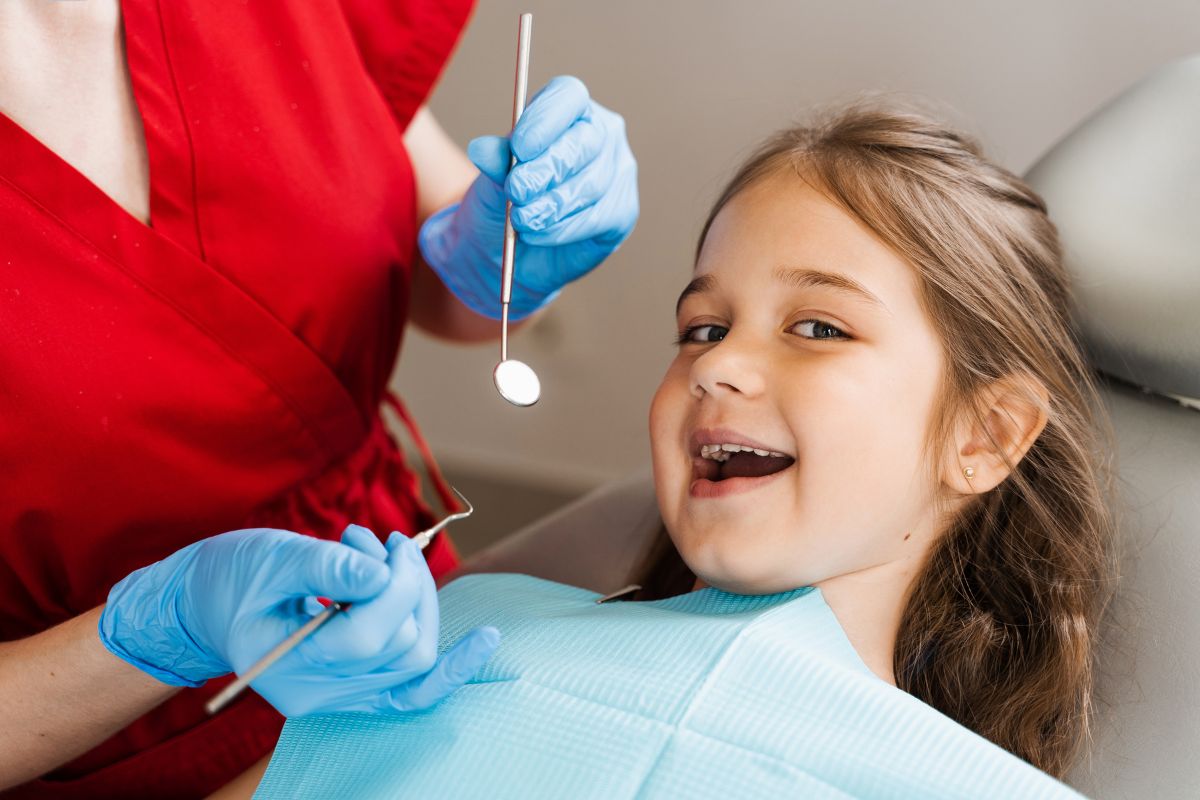
The Foundation of Lifelong Smiles: Why Children’s Dental Care Starts with Regular Checkups
August 17, 2026
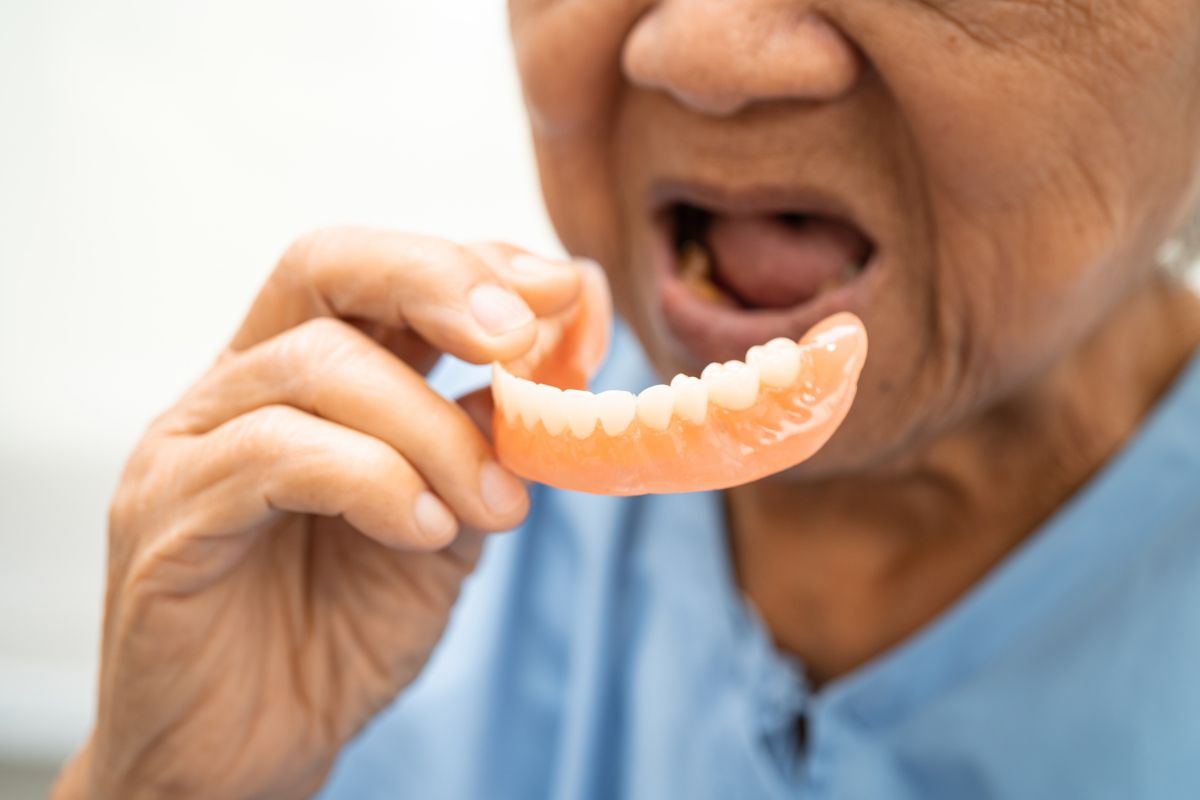
5 Tips for Adjusting to Life With Dentures

August 10, 2026
Completing Your Smile Makeover With Teeth Whitening
August 6, 2026
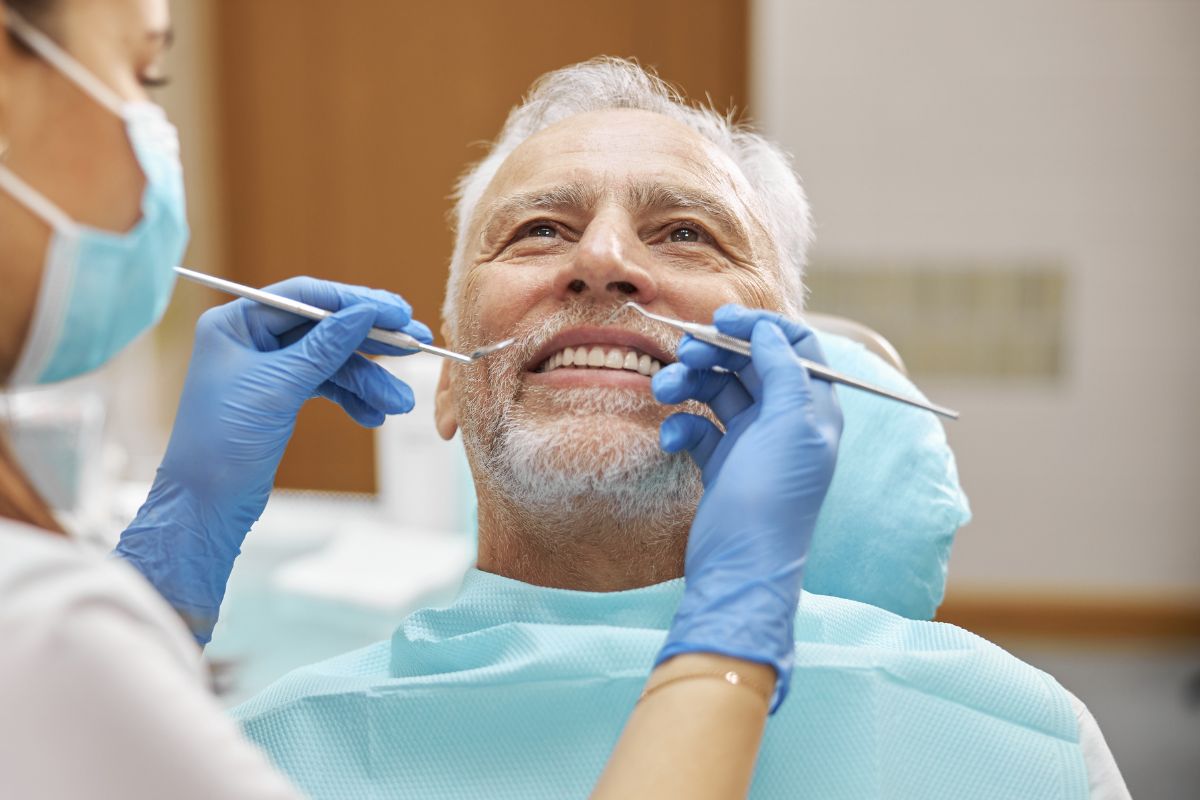
Why Regular Dental Checkups Matter for Long-Term Oral Health
July 27, 2026