

August 31, 2023
Teeth Whitening
Are you dreaming of a brighter, more dazzling smile? If so, you’re not alone. Many people are turning to teeth whitening treatments as a way to achieve that picture-perfect grin. But is teeth whitening really the solution to brighten your smile? In this blog post, we will explore the history of teeth whitening, discuss different treatment options, and weigh the benefits against the potential risks. By the end, you’ll have all the information you need to make an informed decision about whether teeth whitening is right for you. So sit back, relax, and let’s dive into the world of teeth whitening!
The History of Teeth Whitening
The quest for a brighter smile is not a new phenomenon. In fact, the desire for whiter teeth dates back centuries. Ancient civilizations used various methods to achieve pearly whites, some more effective than others.
One of the earliest documented forms of teeth whitening can be traced back to ancient Egypt. The Egyptians would create a paste using ground pumice stone mixed with wine vinegar and apply it to their teeth using frayed twigs as toothbrushes. While this method may have provided temporary results, it was certainly not without its drawbacks.
Fast forward to the 17th century, where Europeans sought out a solution for yellowing teeth caused by excessive tobacco use. They turned to an abrasive mixture of burnt alum and honey applied directly onto the teeth in hopes of achieving a whiter shade. However, prolonged use often resulted in damaged enamel and gum irritation.
It wasn’t until the late 1800s that hydrogen peroxide was introduced as a bleaching agent for dental purposes. Dentists discovered that applying hydrogen peroxide directly onto the teeth could effectively lighten stains without causing significant harm or discomfort.
As technology advanced throughout the years, so did teeth whitening techniques. Today, we have a plethora of options available ranging from over-the-counter whitening strips and gels to professional treatments performed by dentists using powerful lasers or specialized bleaching agents.
The history of teeth whitening showcases humanity’s enduring desire for radiant smiles, even if our ancestors’ methods were sometimes misguided or harmful. Thankfully, modern advancements allow us access to safer and more effective options when it comes to brightening our smiles.
Types of Teeth Whitening Treatments
Types of Teeth Whitening Treatments
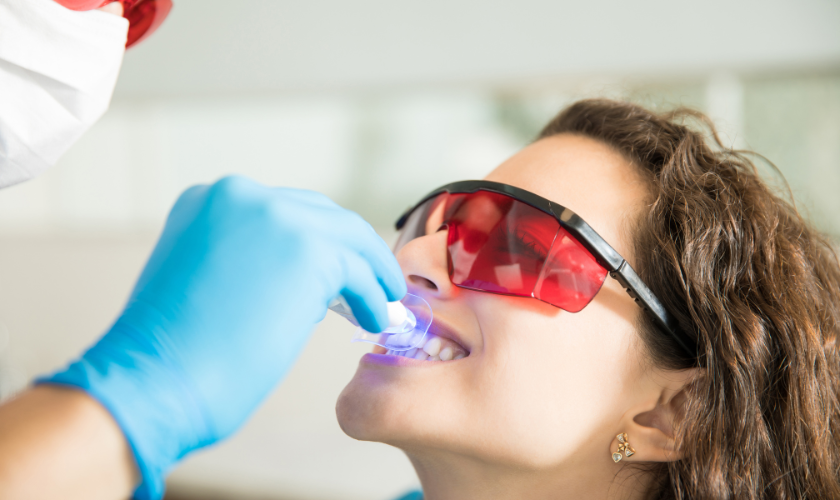
There are several types of teeth whitening treatments available today, each offering varying levels of effectiveness and convenience. One popular option is in-office professional teeth whitening, which is performed by a dental professional using specialized equipment and strong bleaching agents. This method typically provides the quickest results, with many people seeing noticeably whiter teeth after just one session.
Another option is at-home teeth whitening kits, which can be purchased over-the-counter or prescribed by a dentist. These kits usually include custom-fitted trays that hold the bleaching gel against the teeth for a specified amount of time. While this method may take longer to achieve desired results compared to in-office treatments, it offers the flexibility and convenience of being able to whiten your teeth in the comfort of your own home.
For those looking for a more natural approach, there are also alternative methods such as charcoal toothpaste or oil pulling. Charcoal toothpaste contains activated charcoal particles that help remove surface stains from the teeth. Oil pulling involves swishing coconut oil or sesame oil around in your mouth for several minutes each day to reduce plaque build-up and enhance overall oral health.
Regardless of which type you choose, it’s important to consult with a dental professional before starting any whitening treatment. They can assess your oral health and recommend the most suitable option based on factors such as sensitivity levels and desired outcome.
Remember that no two individuals are alike when it comes to their dental needs, so what works for one person may not necessarily work for another. It’s best to discuss all available options with your dentist before deciding on a treatment plan that will give you the smile transformation you desire!
The Benefits of Teeth Whitening
Having a bright, white smile can do wonders for your confidence and overall appearance. Teeth whitening treatments offer numerous benefits that go beyond just aesthetics. Here are some of the key advantages of teeth whitening:
1. Enhanced Self-Confidence: Whiter teeth can instantly boost your self-esteem and make you feel more confident in social interactions or professional settings.
2. Improved Appearance: A brighter smile can take years off your appearance by giving you a youthful and vibrant look.
3. Increased Attractiveness: Studies have shown that people with whiter teeth are often perceived as more attractive and approachable by others.
4. Positive First Impressions: Your smile is one of the first things people notice about you, so having a radiant set of pearly whites can leave a lasting positive impression on others.
5. Professional Advancement: In certain careers where personal presentation matters, such as sales or customer service roles, a bright smile may give you an edge over competitors.
6. Oral Health Awareness: Undergoing teeth whitening treatments often prompts individuals to adopt better oral hygiene habits, leading to improved overall dental health.
7. Long-lasting Results: With proper maintenance and regular touch-ups, the effects of teeth whitening treatments can last for months or even years.
Remember to consult with your dentist before deciding on any specific treatment option to ensure it aligns with your individual needs and goals.
How to Choose the Right Teeth Whitening Treatment
When it comes to choosing the right teeth whitening treatment, there are several factors to consider. First and foremost, it’s important to consult with a dental professional who can assess your oral health and recommend the most suitable options for you.
One of the main considerations is whether you prefer an in-office treatment or an at-home kit. In-office treatments are typically more expensive but provide immediate results, while at-home kits may take longer to achieve desired outcomes.
Another factor to think about is the concentration of whitening agent in the product. Higher concentrations can deliver faster results but may also increase sensitivity. It’s crucial to strike a balance between effectiveness and comfort.
Additionally, consider any specific concerns or sensitivities you may have. Some individuals may have sensitive teeth or gums, which could impact their choice of treatment. It’s vital to choose a method that accommodates your unique needs.
Be realistic about your expectations and desired outcome. Teeth whitening treatments can improve discoloration caused by staining agents like coffee or tobacco but may not correct intrinsic discoloration due to genetics or certain medications.
By considering these factors and consulting with a dental professional, you can make an informed decision on which teeth whitening treatment is best for you!
How Often Should You Whiten Your Teeth?
How often should you whiten your teeth? It’s a common question for those seeking to brighten their smile. The frequency at which you should undergo teeth whitening treatments can depend on various factors, including the type of treatment used and the current condition of your teeth.
If you opt for professional in-office whitening treatments, it is typically recommended to have them done every 6-12 months. This will help maintain a consistently white smile and combat any future discoloration that may occur. However, some individuals may require more frequent touch-ups if they are heavy coffee or tea drinkers or smoke tobacco products.
For at-home whitening kits, the recommended frequency can vary based on the strength of the product and individual needs. Some kits may be designed for daily use over a period of weeks, while others may suggest weekly or monthly applications. It’s essential to follow the instructions provided with your chosen kit and consult with your dentist if you have any concerns.
Remember that excessive whitening can lead to tooth sensitivity and enamel damage. Therefore, it’s crucial not to overdo it by attempting too many treatments within a short period or using products beyond their recommended usage guidelines.
In conclusion (not concluding), determining how often to whiten your teeth requires careful consideration of factors such as treatment type and personal habits. Consulting with your dentist is always advisable for personalized recommendations tailored specifically to your dental health needs!
Conclusion
In today’s society, having a bright and confident smile can make all the difference. Teeth whitening treatments have become increasingly popular as more and more people seek to enhance their smiles. While it is indeed an effective solution for achieving a whiter smile, it is important to consider both the benefits and risks associated with teeth whitening.
The history of teeth whitening dates back centuries, with various techniques evolving over time. From ancient methods involving abrasive substances to modern advancements in dental technology, there are now several types of teeth whitening treatments available.
These treatments range from in-office procedures performed by dental professionals to at-home kits that allow individuals to whiten their teeth at their own convenience. Each treatment option has its advantages and disadvantages, so it is crucial to choose the one that best suits your needs.
One of the key benefits of teeth whitening is undoubtedly the improvement in appearance it provides. A brighter smile can boost self-confidence and leave a lasting impression on others. Additionally, professional teeth whitening treatments can effectively remove stubborn stains caused by factors such as aging, tobacco use, or consumption of certain foods and beverages.
However, like any cosmetic procedure, there are risks associated with teeth whitening. Some individuals may experience tooth sensitivity or gum irritation during or after treatment. It is essential to consult with a dental professional before undergoing any teeth whitening procedure to ensure safety and minimize potential side effects.
When choosing the right teeth whitening treatment for you, consider factors such as cost, convenience, desired results, and overall oral health condition. Consulting with a dentist will also help determine if you are suitable candidate for specific treatments or if additional dental work should be completed beforehand.
As for frequency of treatment sessions – less does not always mean better when it comes to maintaining a white smile! Overuse or improper use of bleaching agents can lead to enamel damage or tooth sensitivity over time. It is recommended to follow the instructions provided by dental professionals and not exceed the recommended frequency of teeth whitening sessions.
In conclusion
Recent Posts

August 24, 2026
The Foundation of Lifelong Smiles: Why Children’s Dental Care Starts with Regular Checkups
August 17, 2026
5 Tips for Adjusting to Life With Dentures
August 10, 2026
Completing Your Smile Makeover With Teeth Whitening
August 6, 2026
Why Regular Dental Checkups Matter for Long-Term Oral Health
July 27, 2026