


February 8, 2023
Emergency Dental Care
Most people don’t think about being prepared for a dental emergency until it happens. And when it does, the urgency of the situation can be overwhelming. Whether you have a toothache, broken tooth, lost filling, or other dental emergency—timing is critical and seeking treatment right away is essential.
The Ultimate Guide to Emergency Dental Care is designed to help you know what to do before and during a dental emergency. It provides tips on preventative care, information about various dental emergencies and their treatments, as well as advice for finding the right dentist or specialist for your situation.
Introduction
No one likes dealing with a dental emergency, but knowing how to react in the moment can help reduce discomfort, save time and money, and prevent further damage. In this guide we’ll cover common emergencies, how to prepare for them, what to do in the event of an emergency, and where you can find after-hours care if needed.
Preventative Care
Toothaches, broken teeth, and lost fillings can be prevented with proper preventive care. Establishing a regular routine of brushing twice per day, flossing once per day, and seeing the dentist for checkups at least every six months is key to keeping your oral health in top shape. Additionally, avoiding smoking and excessive drinking can help reduce your risk of developing oral health issues.
1. Common Dental Emergencies
Toothaches, broken teeth, and lost fillings are the most common types of dental emergencies. Other potential situations could include an abscessed tooth, gum disease, or a knocked-out tooth. Knowing the signs and symptoms of each emergency can help you identify the issue quickly and seek treatment.
2. Treatment Options
Different emergencies require different treatments. A toothache may be treated with an over-the-counter pain medication, while a broken tooth may require a crown or filling to repair the damage. In cases where antibiotics are necessary, your dentist may prescribe them.
3. Finding an Emergency Dentist
If you experience a dental emergency outside of normal business hours, it’s important to find an after-hours dentist or specialist who can provide treatment. You can search online for local urgent care facilities or call your primary care provider for referrals.
Conclusion
Dental emergencies can be painful and stressful, but educating yourself about potential issues and having an emergency plan in place will help you handle them with ease. Knowing the signs and symptoms of common dental problems, what treatments are available, and where to find after-hours care if needed can make all the difference.
: What should I do if I experience a dental emergency?
A: First, identify the type of emergency you’re experiencing. Then, seek treatment as quickly as possible. If it’s outside business hours, contact an after-hours dentist or urgent care facility for assistance.
2: How can I prevent dental emergencies?
A: Establishing a regular routine of brushing and flossing, seeing the dentist for regular checkups, avoiding smoking and excessive drinking can help reduce your risk. Additionally, wearing protective gear while playing sports or engaging in other activities that could potentially cause an injury can also minimize your chances of experiencing a dental emergency.
3: What if I can’t afford emergency dental treatment?
A: If you don’t have insurance or are unable to pay for the full cost of emergency dental care, some dentists may offer payment plans or accept other forms of payment such as a credit card. Additionally, there are several online financing companies that may be able to help.
Recent Posts

August 24, 2026
The Foundation of Lifelong Smiles: Why Children’s Dental Care Starts with Regular Checkups
August 17, 2026
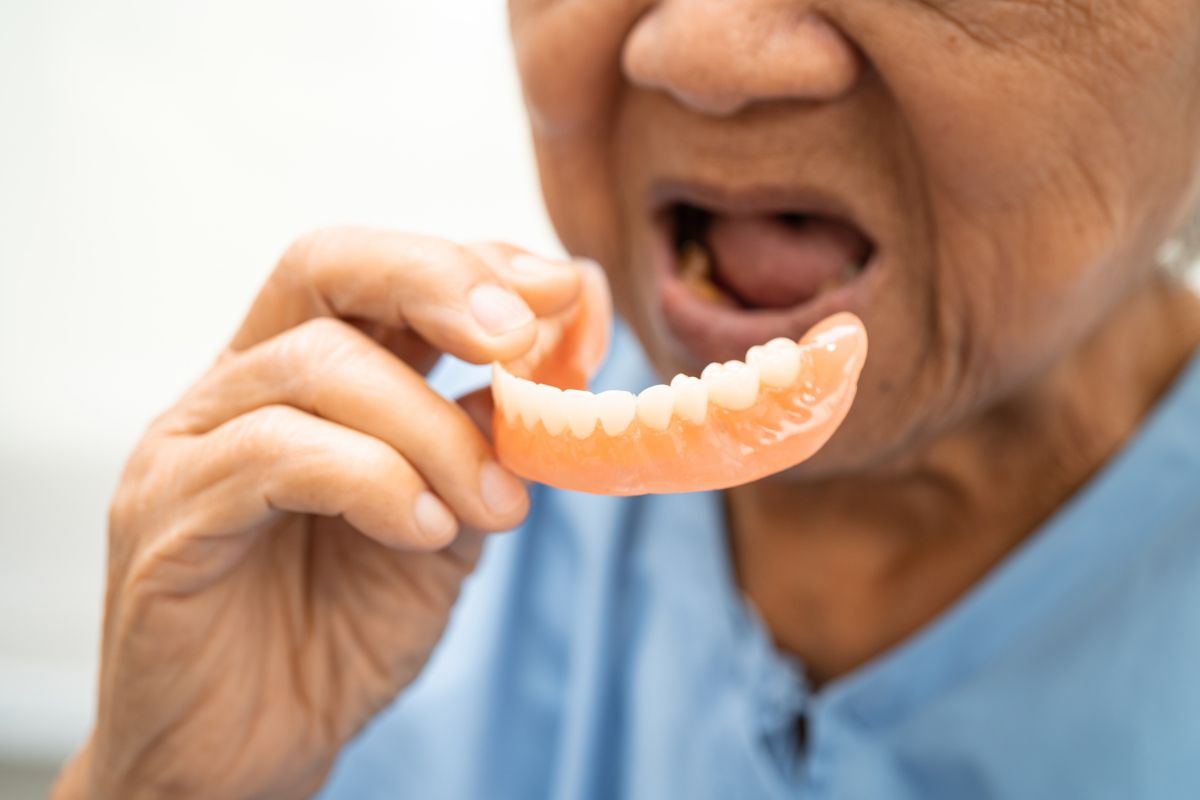
5 Tips for Adjusting to Life With Dentures

August 10, 2026
Completing Your Smile Makeover With Teeth Whitening
August 6, 2026
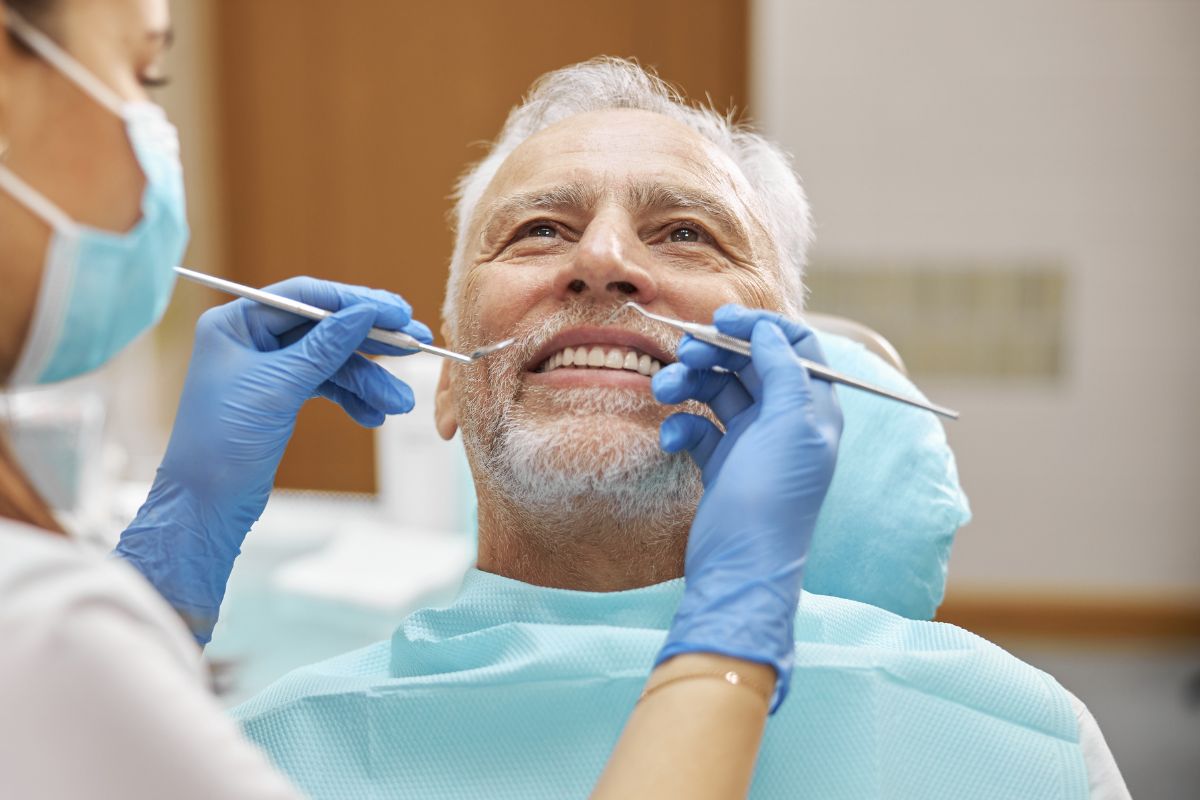
Why Regular Dental Checkups Matter for Long-Term Oral Health
July 27, 2026