

February 9, 2026
Pediatric Dentistry
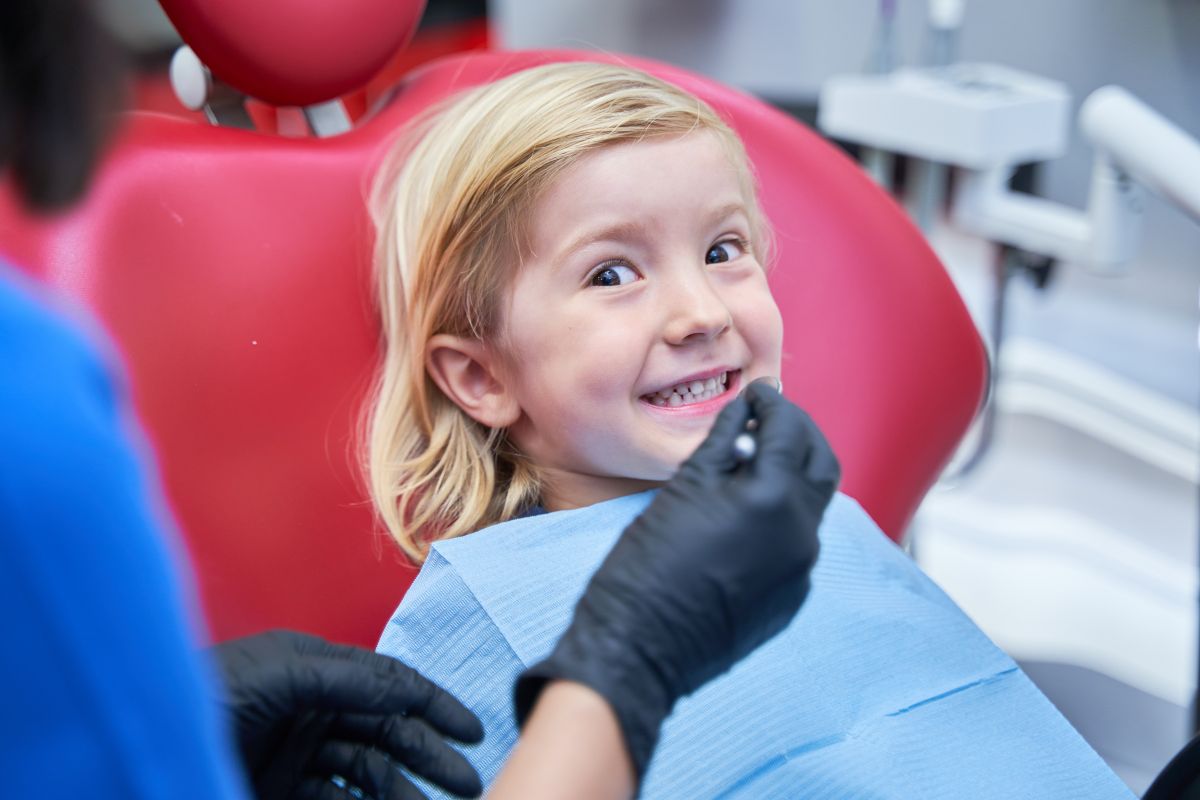
If you’re a parent in Fremont, noticing that your child’s baby teeth aren’t falling out when expected can feel confusing or even a little concerning. While every child develops at their own pace, delayed tooth loss can sometimes point to underlying dental or developmental factors. Understanding why this happens and when professional guidance is needed can help you support your child’s long-term oral health with confidence.
Understanding the Natural Timeline of Baby Tooth Loss
Most children begin losing baby teeth around age six, with the process continuing until about age twelve. This happens as permanent teeth grow beneath the gums and gently push primary teeth out. However, timing can vary widely. Genetics, overall growth patterns, and oral habits all influence when baby teeth loosen and fall out. A delay doesn’t always mean something is wrong, but it’s important to know what’s normal and what may require attention.
Common Reasons Baby Teeth Don’t Fall Out
One of the most common reasons baby teeth remain in place is the absence of a permanent tooth underneath. In other cases, permanent teeth may be developing but erupting at an unusual angle or pace. Crowding in the jaw can also slow the process, leaving baby teeth with no clear signal to loosen. Dental trauma, infections, or certain medical conditions can further affect how and when primary teeth are lost.
The Role of Permanent Teeth Development
When permanent teeth don’t apply enough pressure to baby teeth roots, those roots may not dissolve as they should. This can keep baby teeth firmly in place even as permanent teeth begin to emerge elsewhere in the mouth, sometimes creating alignment challenges.
Why Timely Evaluation Matters
When baby teeth remain too long, they can interfere with the eruption of permanent teeth. This may contribute to spacing issues, bite problems, or difficulty cleaning between teeth. Midway through childhood dental development, a pediatric dentist in Fremont can evaluate whether retained baby teeth are simply part of a slower timeline or a sign that warrants monitoring. Early assessment helps guide growth in a healthier direction and may prevent more complex concerns later.
How Pediatric Dental Care Supports Healthy Transitions
A pediatric dental visit allows careful tracking of tooth development through exams and imaging, when appropriate. Pediatric specialists understand how children’s jaws and teeth grow together and can determine whether baby teeth should be allowed more time or gently guided out. Families who visit our dental office in Fremont often appreciate the clarity and reassurance this stage of their child’s development provides.
When Intervention May Be Recommended
In some situations, a dentist may recommend removing a baby tooth to allow permanent teeth to erupt properly. This decision is always based on your child’s individual growth patterns and is made with your child’s comfort and well-being in mind.
Helping Parents Know When to Act
If your child is well past the typical age for losing certain baby teeth or has permanent teeth erupting behind retained ones, it’s a good idea to seek professional advice. Regular dental visits ensure these changes don’t go unnoticed and allow parents to feel informed rather than uncertain.
What This Means for Your Child’s Growing Smile
Watching your child’s smile change is an exciting part of growing up, but when baby teeth linger longer than expected, it’s natural to wonder what comes next. In many cases, delayed tooth loss is simply a variation of normal development. Still, keeping an eye on how baby teeth and permanent teeth interact is essential for guiding healthy spacing and alignment. With professional insight and regular dental checkups, parents can feel confident that their child’s smile is progressing in the right direction. If you have questions about timing, tooth eruption, or next steps, contact us to schedule a visit and get personalized guidance for your child’s dental journey.
Frequently Asked Questions
- Is it normal for baby teeth to fall out later than expected?
Yes, some children naturally lose baby teeth later due to genetics or slower overall development. - What happens if a baby tooth never falls out?
A dentist can evaluate whether a permanent tooth is missing or delayed and recommend appropriate care. - Can retained baby teeth affect permanent teeth alignment?
Yes, they may lead to crowding or improper eruption if left unmonitored. - At what age should I be concerned about baby teeth not falling out?
If baby teeth remain well past age seven or eight without loosening, an evaluation is helpful. - Does delayed tooth loss cause discomfort for children?
Not usually, but it can make brushing harder and affect bite development over time. - How often should my child see a pediatric dentist during this stage?
Regular checkups every six months allow effective monitoring of dental growth. - Can early dental visits prevent future complications?
Yes, early monitoring helps guide proper eruption and supports long-term oral health.
Recent Posts

August 24, 2026
The Foundation of Lifelong Smiles: Why Children’s Dental Care Starts with Regular Checkups
August 17, 2026
5 Tips for Adjusting to Life With Dentures

August 10, 2026
Completing Your Smile Makeover With Teeth Whitening

August 6, 2026
Why Regular Dental Checkups Matter for Long-Term Oral Health
July 27, 2026