

November 18, 2025
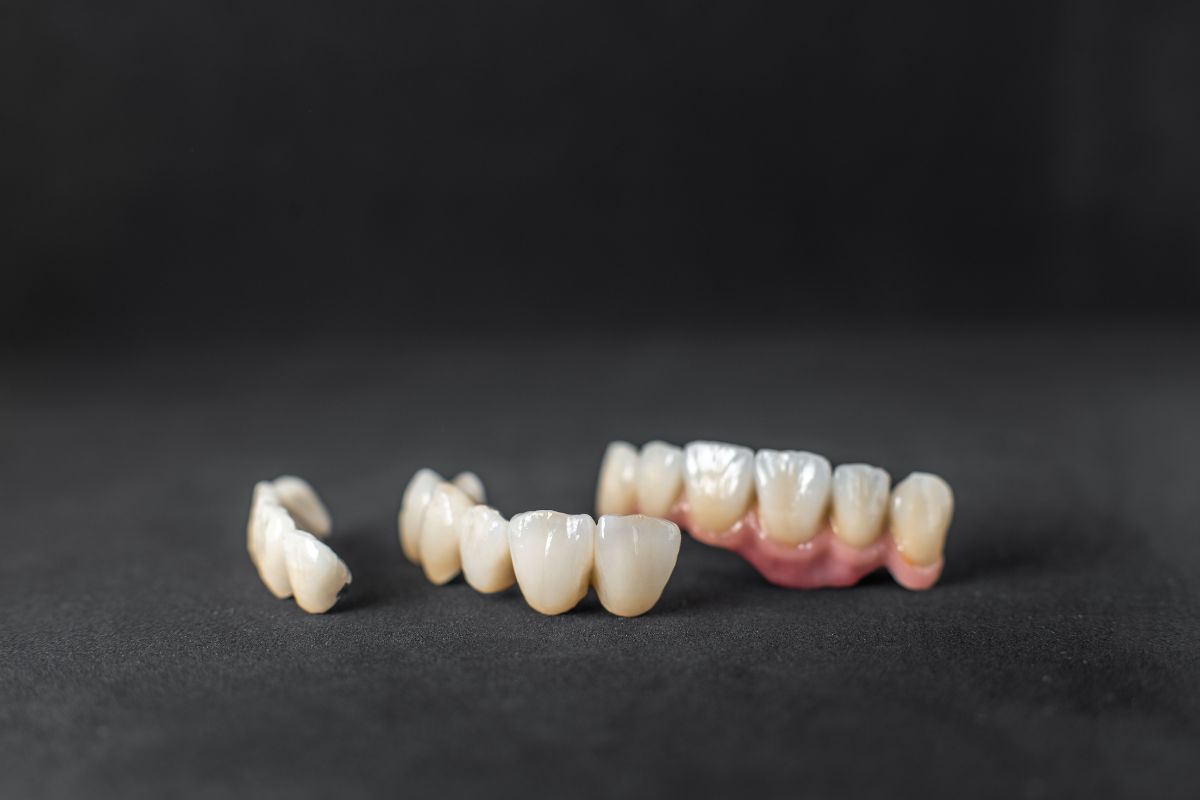
Dental Crowns
Receiving a new dental crown is a reliable way to protect and strengthen a damaged tooth; however, proper aftercare plays a crucial role in ensuring the restoration lasts. One of the most critical steps in your recovery is choosing the right foods while your tooth settles. Eating the proper meals reduces discomfort, prevents damage, and supports healing, allowing your crown to function optimally. Below, you’ll find detailed guidance on what to eat, what to avoid, and how to care for your smile in the days following your treatment.
Understanding the First 24–48 Hours After a Crown
During the initial healing period, your tooth may feel sensitive, especially if you have a temporary crown in place. Soft, temperature-neutral foods are the safest choices while the cement fully sets. At this stage, being gentle with your chewing habits will help prevent irritation and protect the crown from unnecessary pressure. Your dentist may provide specific dietary instructions based on the condition of your tooth and whether a temporary or permanent crown has been placed.
Foods You Can Comfortably Eat After a Dental Crown
Soft foods that require minimal chewing are ideal as your tooth adjusts. Items such as yoghurt, applesauce, mashed potatoes, oatmeal, steamed vegetables, eggs, and soups are typically well-tolerated. These foods reduce strain on the crown, enabling you to maintain a balanced diet. As the sensitivity begins to fade, you can gradually introduce more solid foods at a pace that feels comfortable to you. Many patients receiving dental crowns in Fremont report that easing back into regular meals over a few days helps them avoid unnecessary discomfort while keeping their crown protected.
Foods You Should Avoid to Protect Your Crown
Certain foods can interfere with the stability of your crown, especially early on. Hard foods, such as nuts, crusty bread, raw carrots, or tough meats, can put too much pressure on the treated tooth. Sticky foods such as caramel, toffee, and chewy candies may tug at the crown or cause cracks. Extreme temperatures, including very hot coffee or ice-cold drinks, can trigger temporary sensitivity. Avoiding these items during the early healing period helps safeguard the crown and keeps your bite feeling comfortable.
Transitioning Back to a Normal Diet
How to Reintroduce Foods Safely
Once your tooth feels stable, you can slowly return to your usual meals. Start by chewing on the opposite side of your mouth until you are confident that your crown feels secure. Pay attention to how your bite aligns, as sudden pressure or discomfort may indicate the need for a minor adjustment. If you ever feel unsure, visit our dental office in Fremont for guidance and reassurance.
Maintaining Your Crown for Long-Term Success
Even after returning to your routine, it’s wise to be cautious with overly crunchy, chewy, or acidic foods. Practising healthy oral habits, including daily brushing and flossing around the crown, helps protect the underlying tooth. Regular dental checkups ensure that the crown remains well-fitted and fully functional for years to come.
Ready to Support Your Smile’s Recovery?
If you have questions about caring for your new crown or would like professional guidance on maintaining your restoration, please contact us to schedule your appointment today.
FAQs
- How long should I wait before eating after getting a dental crown?
You can usually eat once the numbness fades, but it’s best to start with soft foods for the first day. - Are there long-term food restrictions with a permanent crown?
Most foods are safe, but it’s smart to avoid chewing ice, hard candies, or overly sticky treats to prevent damage. - Why does my crown feel sensitive when I eat?
Sensitivity is common for a few days and should gradually improve. If it persists, your dentist can check the crown’s fit. - Can hot or cold foods harm my new crown?
They won’t harm it, but extreme temperatures may cause temporary discomfort until the tooth adjusts. - Is it normal for a crown to feel slightly high when chewing?
If your bite feels uneven, a small adjustment may be needed. Contact your dentist to correct the fit. - When can I switch from soft foods to regular meals?
Most people transition after a couple of days, depending on comfort and sensitivity levels.
Recent Posts
August 24, 2026
The Foundation of Lifelong Smiles: Why Children’s Dental Care Starts with Regular Checkups
August 17, 2026
5 Tips for Adjusting to Life With Dentures
August 10, 2026
Completing Your Smile Makeover With Teeth Whitening
August 6, 2026
Why Regular Dental Checkups Matter for Long-Term Oral Health
July 27, 2026