


March 4, 2025
Teeth Whitening
A bright, white smile is a confidence booster, but what if you have thin or damaged enamel? Can teeth whitening still be an option? The answer is yes, but with careful consideration and professional guidance. Teeth whitening is a cosmetic dental procedure aimed at lightening the color of your teeth. It involves removing stains and discoloration from the tooth enamel. This can be achieved through various methods, including in-office treatments using bleaching agents or at-home kits with whitening gels and strips. The goal is to create a brighter, more aesthetically pleasing smile.
While traditional whitening methods can pose risks to weakened enamel, there are safe and effective strategies to achieve a radiant smile. Many people face this challenge, and thankfully, you can achieve whiter teeth without compromising your enamel’s health. This blog will explore how to navigate teeth whitening with thin enamel, ensuring you protect your dental health while achieving the results you desire. Let’s dive into safe and effective whitening strategies.
What Is Tooth Enamel?
Tooth enamel is the hard, outer layer of your teeth. It’s the most mineralized and hardest substance in your body, designed to protect the underlying dentin from physical and chemical damage.
Enamel acts as a barrier against:
- Acids from food and drinks.
- Temperature extremes (hot and cold).
- Physical wear and tear from chewing.
Unlike bone, enamel contains no living cells, meaning it cannot repair itself once damaged. This makes it crucial to protect your enamel through proper oral hygiene.
Can Teeth Whitening Damage Tooth Enamel?
While teeth whitening is generally safe, there’s potential for enamel damage if done improperly. Whitening agents, particularly those with high concentrations of hydrogen peroxide or carbamide peroxide, can temporarily weaken enamel.Overuse or misuse of whitening products can lead to increased tooth sensitivity and, in severe cases, enamel erosion. Abrasive whitening toothpastes can also wear down enamel over time.
When whitening is done correctly, the risks to enamel are very low.Dentists use products and procedures that are designed to minimize harm. Many of the issues arise from the overuse of over the counter products. In essence, while there’s a possibility of enamel damage, especially with improper at-home whitening, professional treatments and responsible use of products significantly reduce this risk.
Understanding Thin Enamel and Whitening Challenges
Thin enamel means your teeth’s protective outer layer is more delicate. This sensitivity makes traditional whitening methods, like harsh bleaching agents, potentially painful and damaging. You might experience increased sensitivity, discomfort, or even enamel erosion. Fear not; gentle alternatives exist!
Gentle Whitening Products: Your Best Friends
Choose whitening toothpaste and mouthwashes specifically designed for sensitive teeth. Look for products with lower concentrations of hydrogen peroxide or carbamide peroxide. These options provide gradual whitening without causing excessive irritation. You can find many of these options available in your local pharmacies.
Professional Guidance: A Must-Have
Consulting a dentist is crucial before starting any whitening regimen, especially with thin enamel. They can assess your enamel’s condition and recommend the safest approach. If you are looking for teeth whitening in Fremont, many dentists specialize in sensitive teeth. A dentist can also apply a protective barrier to your gums and teeth during in-office whitening, minimizing sensitivity.
In-Office Whitening: Controlled and Safe
Professional in-office whitening offers controlled and precise results. Dentists use specialized gels and light systems to accelerate the whitening process while ensuring minimal damage to your enamel. They can also adjust the treatment intensity to suit your sensitivity levels.
Natural Whitening Remedies: Gentle Alternatives
Consider natural whitening methods like oil pulling with coconut oil. Swishing coconut oil for 10-20 minutes can help remove surface stains and bacteria. Rinsing with a diluted apple cider vinegar solution can also help, but use it sparingly due to its acidity. Always rinse thoroughly after using these remedies.
Dietary Considerations: Protect Your Enamel
Avoid acidic foods and drinks like citrus fruits, sodas, and coffee. These can erode enamel and increase sensitivity. Consume calcium-rich foods like dairy products, leafy greens, and almonds to strengthen your enamel. Staying hydrated with water also helps rinse away food particles and acids.
Maintaining Your Whiter Smile: Long-Term Care
Brush your teeth twice daily with a soft-bristled toothbrush and fluoride toothpaste. Floss regularly to remove plaque and prevent gum disease. Schedule regular dental checkups and cleanings. If you want to find the best teeth whitening in Fremont, research the best dental offices in the area to find a skilled dentist.
Sensitivity Management: Tips and Tricks
If you experience sensitivity, use a desensitizing toothpaste containing potassium nitrate. Apply a cold compress to your cheeks to reduce discomfort. Avoid extremely hot or cold foods and drinks. Always discuss any sensitivity issues with your dentist.
The Benefits of a Brighter Smile
A whiter smile can boost your confidence and improve your overall appearance. By choosing gentle whitening methods and prioritizing your enamel’s health, you can achieve a radiant smile without compromising your oral health.
Ready to achieve a brighter, confident smile? Schedule an appointment with our experienced dental team today and discover the safest teeth whitening in Fremont for your unique needs. We’ll help you attain the smile you’ve always wanted.
Recent Posts

August 24, 2026
The Foundation of Lifelong Smiles: Why Children’s Dental Care Starts with Regular Checkups
August 17, 2026
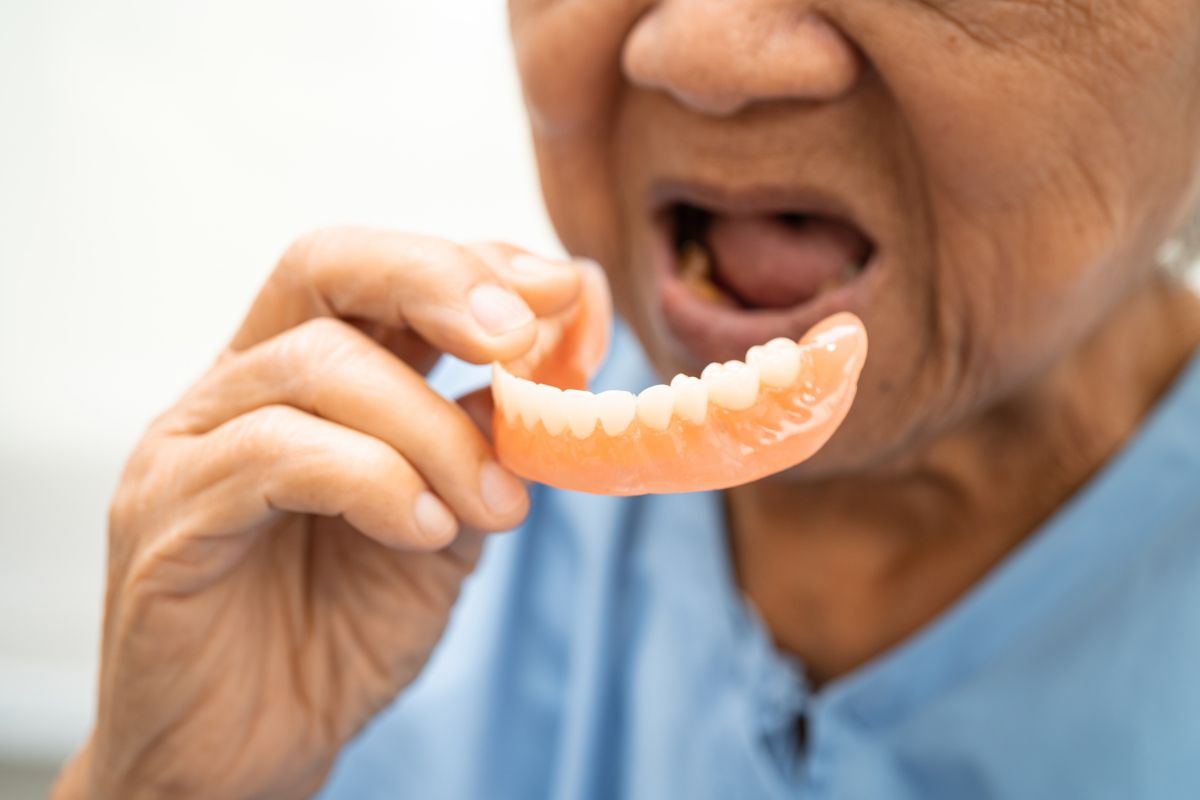
5 Tips for Adjusting to Life With Dentures

August 10, 2026
Completing Your Smile Makeover With Teeth Whitening
August 6, 2026
Why Regular Dental Checkups Matter for Long-Term Oral Health
July 27, 2026