

March 17, 2026
Pediatric Dentistry
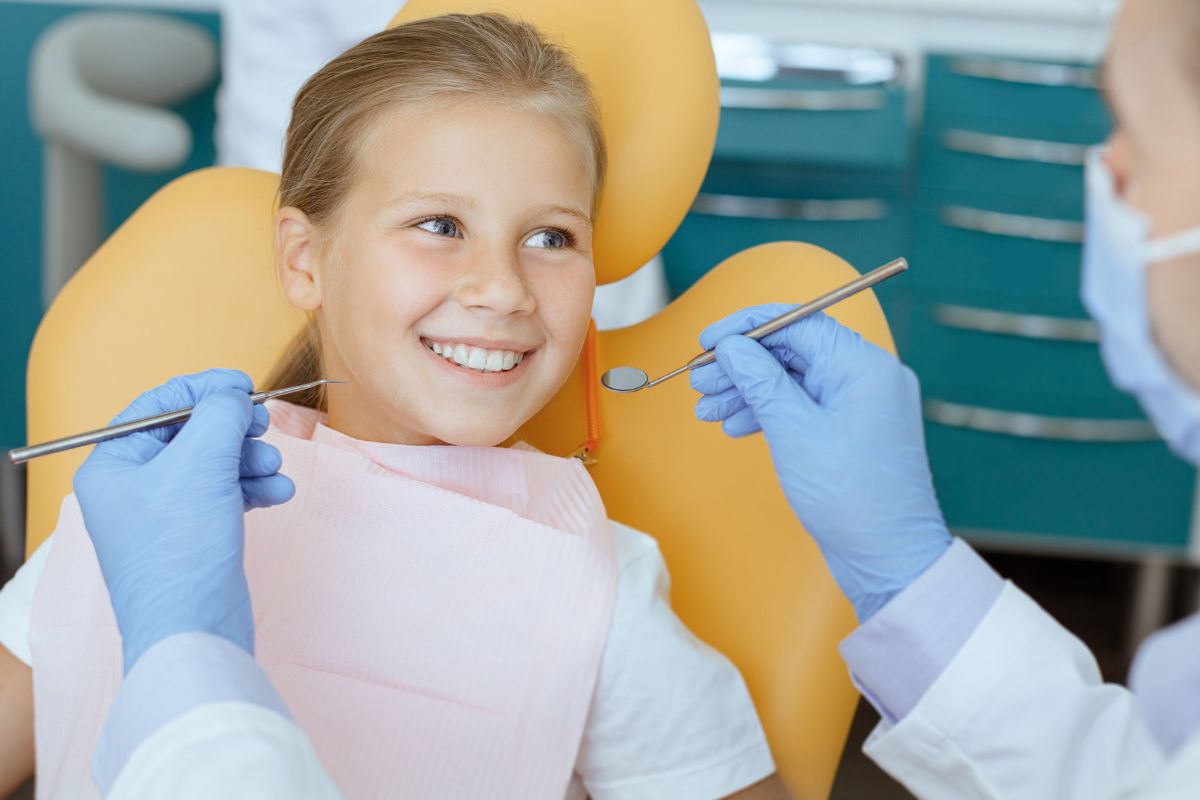
Dental anxiety is common among children, especially during their early visits. In Fremont, many parents notice their kids feeling nervous or fearful at the thought of sitting in a dental chair. These emotions can lead to avoidance, making oral health care more difficult over time. Understanding how a pediatric dentist supports children through these fears can make a meaningful difference in your child’s overall dental experience.
Understanding Dental Anxiety in Children
Children may feel anxious about dental visits for several reasons. Fear of the unknown, unfamiliar sounds, or previous uncomfortable experiences can all contribute to their uneasiness. Some kids may also pick up on anxiety from parents or siblings. Recognizing these triggers is the first step toward helping children feel more relaxed and confident during dental care.
Creating a Child-Friendly Environment
A Welcoming and Comfortable Space
Pediatric dental offices are designed with children in mind. Bright colors, engaging décor, and playful elements create a space that feels less clinical and more inviting. This type of environment helps reduce fear and makes kids feel more at ease from the moment they walk in.
Gentle Communication Techniques
Pediatric dentists use age-appropriate language to explain procedures in a non-threatening way. Instead of complex terminology, they may describe tools and treatments in simple, friendly terms. This approach builds trust and helps children understand what to expect.
Behavior Guidance and Positive Reinforcement
A key part of pediatric dentistry involves guiding children’s behavior in a supportive manner. Dentists often use praise, encouragement, and small rewards to reinforce cooperation. These techniques help children associate dental visits with positive experiences rather than fear.
In the middle of this process, if you are in Fremont, choosing a trusted pediatric dentist who understands children’s emotional needs can make a noticeable difference. Their approach focuses on patience, reassurance, and creating a sense of safety during each visit.
Gradual Exposure to Dental Care
Building Familiarity Over Time
Instead of rushing into treatments, pediatric dentists may introduce children to dental tools and procedures step by step. This gradual exposure helps reduce anxiety and builds confidence over multiple visits.
Encouraging Parental Involvement
Parents play an important role in helping children feel secure. Many dental offices allow parents to stay nearby during the appointment, providing comfort and reassurance throughout the visit.
Specialized Training for Children’s Needs
Pediatric dentists receive additional training focused on child psychology and behavior management. This allows them to handle a wide range of emotional responses, from mild nervousness to more intense fear. Their approach is centered on understanding each child’s unique needs and adjusting care accordingly.
Promoting Long-Term Positive Habits
When children have calm and supportive dental experiences, they are more likely to develop healthy oral care habits. Regular visits become less stressful, and kids grow up with a more positive outlook on dental health. Over time, this reduces the likelihood of avoiding care and supports better overall well-being.
When to Visit Our Dental Office
If your child shows signs of dental anxiety, early intervention can help. Gentle introductions and consistent care can make future visits smoother. You can visit our dental office in Fremont to create a comfortable and supportive experience for your child.
Helping your child feel confident about dental visits starts with the right approach. A compassionate pediatric dental team can turn anxiety into comfort and trust. Contact us today to schedule an appointment and support your child’s journey toward stress-free dental care.
FAQs
- What causes dental anxiety in children?
Dental anxiety can be caused by fear of unfamiliar environments, past experiences, or hearing about others’ negative visits. - At what age should my child see a pediatric dentist?
Children should have their first dental visit by their first birthday or when their first tooth appears. - How do pediatric dentists help nervous children?
They use calming communication, friendly environments, and positive reinforcement to ease fear. - Can I stay with my child during the appointment?
Yes, many pediatric dental offices encourage parental presence to help children feel secure. - How can I prepare my child for a dental visit?
Talk positively about the dentist, avoid scary language, and explain what will happen in simple terms. - Are pediatric dental offices different from general dental offices?
Yes, they are designed specifically for children, with specialized training and a child-friendly atmosphere. - What if my child refuses treatment due to fear?
Pediatric dentists use gradual exposure and behavior guidance techniques to help children become more comfortable over time.
Recent Posts

August 24, 2026
The Foundation of Lifelong Smiles: Why Children’s Dental Care Starts with Regular Checkups
August 17, 2026
5 Tips for Adjusting to Life With Dentures

August 10, 2026
Completing Your Smile Makeover With Teeth Whitening

August 6, 2026
Why Regular Dental Checkups Matter for Long-Term Oral Health
July 27, 2026