

September 8, 2025
Dental Crowns
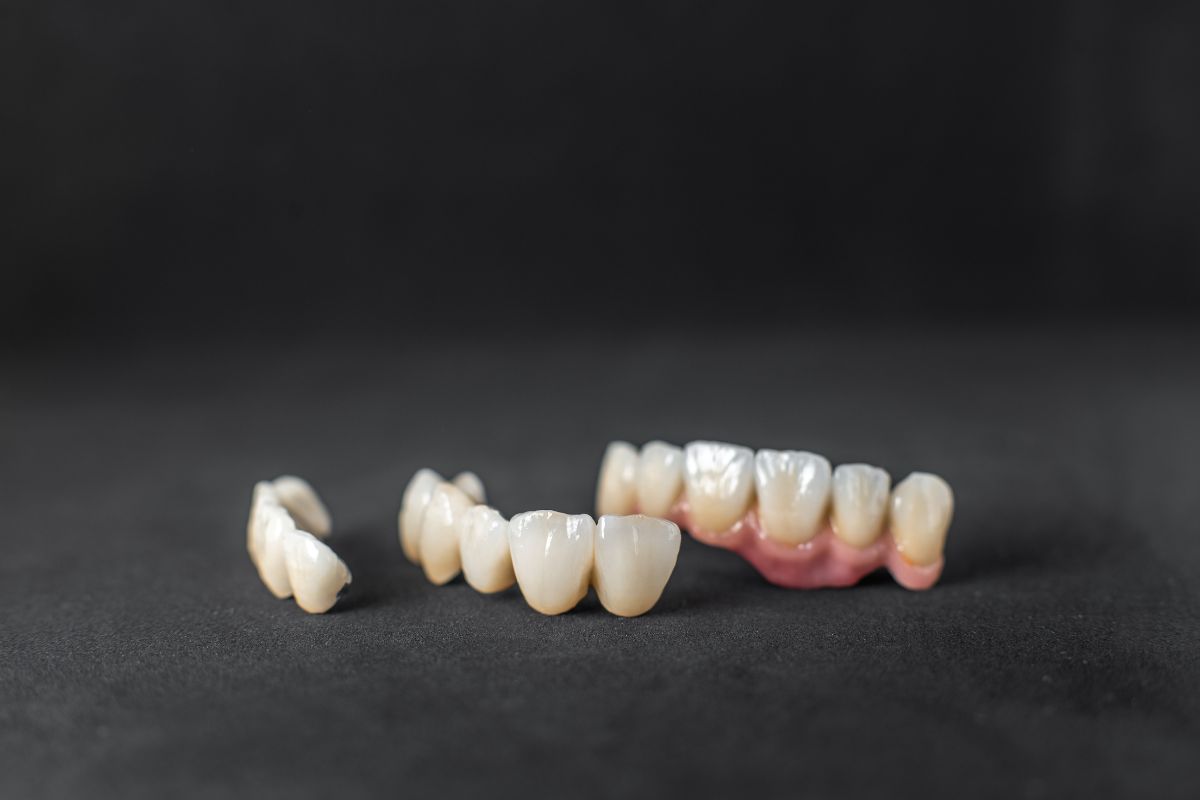
When you first receive a dental crown, it’s natural to wonder how long it will take before your bite feels comfortable again. A crown restores strength and function to a damaged tooth, but just like any dental treatment, your mouth may need a short adjustment period. Understanding what to expect can ease your mind and help you confidently enjoy your restored tooth.
Why Does a Crown Feel Different at First?
Your teeth and jaw are susceptible to even small changes. A crown’s placement slightly alters how your upper and lower teeth meet, which can make your bite feel unusual for the first few days. Also, the procedure may cause your gums and surrounding tissues to feel a little sore. This temporary discomfort usually improves as your mouth adapts.
The Typical Adjustment Timeline
A crown begins to feel natural for most patients within a few days. Minor sensitivity to hot or cold foods may last for a week or two, but this gradually subsides. By the end of the first month, your crown should feel much like your natural teeth when chewing, speaking, or smiling.
If discomfort persists beyond that point, following up with your dentist is essential. A crown that feels too high or uneven may need a slight adjustment to perfectly align your bite.
Factors That Influence How Long It Takes
Bite Alignment
If the crown is slightly higher than your other teeth, it can create pressure during chewing. A dentist can polish or reshape the crown for a better fit.
Gum and Tissue Healing
After the crown placement, the gum tissue around the treated tooth may be inflamed. This tenderness usually improves within days.
Material and Tooth Location
Front crowns may feel different from those placed on molars since they affect speech and bite differently. Crowns made from porcelain, ceramic, or metal alloys can also influence the adjustment period.
Finding Comfort with Dental Crowns
Patients who receive dental crowns in Fremont often report a smooth adjustment process when the treatment is performed with precision and follow-up care. Your dentist will carefully evaluate your bite, make any refinements, and provide guidance to help your crown feel like a natural part of your smile. For some, comfort comes within days, while others may need a few weeks of adjustment.
If you experience lingering discomfort, sensitivity, or difficulty chewing, it’s essential not to ignore it. A simple visit can ensure your crown fits exactly as it should.
Tips for a Smooth Adjustment
It helps to chew on the opposite side of your mouth during the first few days, giving the crown time to settle. Avoid very sticky or hard foods until your tooth feels stronger. Good oral hygiene is also key—brushing and flossing around your crown protects both the restoration and the natural tooth beneath it. If something doesn’t feel right, don’t hesitate to visit our dental office for evaluation.
When to Reach Out to Your Dentist
Mild sensitivity is normal, but sharp pain, prolonged discomfort, or an uneven bite should be addressed promptly. A quick adjustment by your dentist can make a significant difference in how your crown feels.
Recent Posts

August 24, 2026
The Foundation of Lifelong Smiles: Why Children’s Dental Care Starts with Regular Checkups
August 17, 2026
5 Tips for Adjusting to Life With Dentures

August 10, 2026
Completing Your Smile Makeover With Teeth Whitening
August 6, 2026
Why Regular Dental Checkups Matter for Long-Term Oral Health
July 27, 2026