

March 2, 2026
Teeth Whitening
If you live in Fremont and want to brighten your teeth, you may wonder if teeth whitening is safe. With so many over-the-counter products, home remedies, and in-office treatments, it is essential to understand the benefits and risks. This guide covers safe whitening practices and considerations before starting.
How Teeth Whitening Works
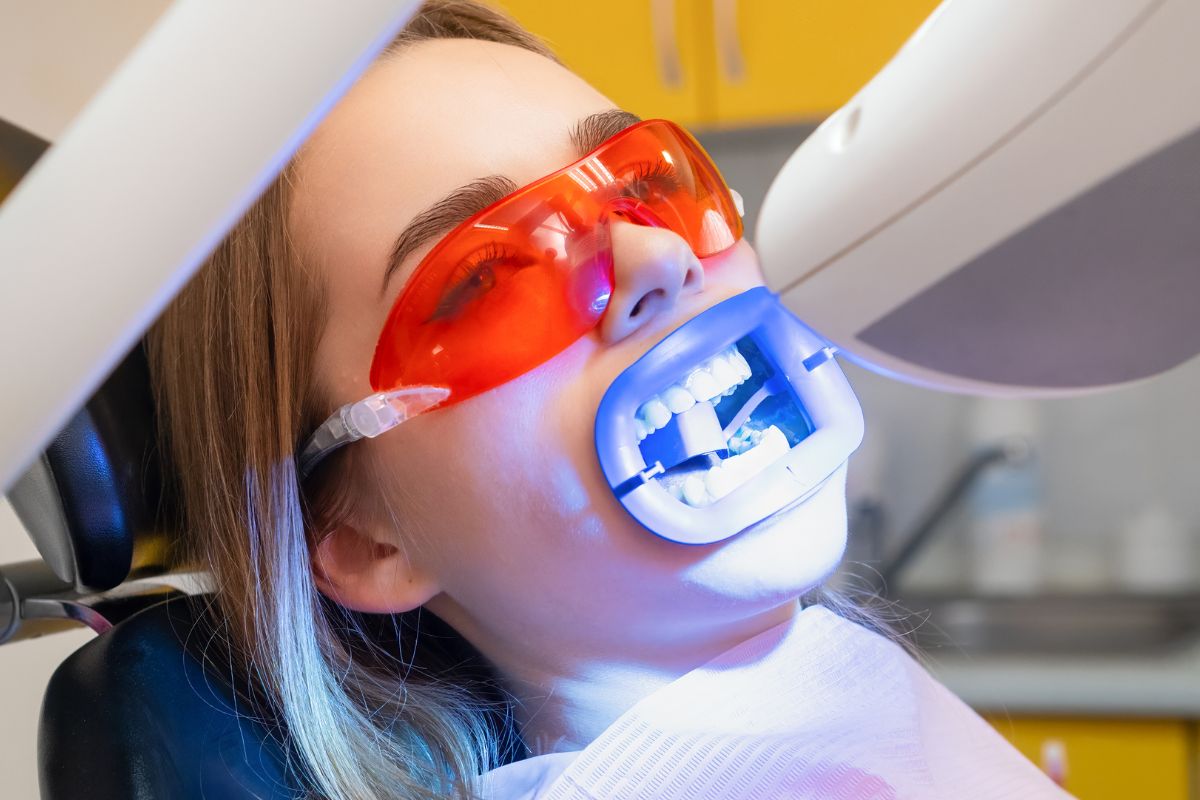
Teeth whitening removes stains and discoloration from the enamel. Most treatments use peroxide-based agents, such as hydrogen peroxide or carbamide peroxide. These break down stains on the surface and inside the enamel. While whitening can improve brightness, it’s important to know how it affects your dental health.
The peroxide oxidizes compounds that cause discoloration, which can lighten teeth by several shades over a few sessions. Home kits provide gradual results, while in-office treatments deliver faster and more noticeable changes under professional supervision.
Common Concerns About Teeth Whitening
Tooth Sensitivity
A common concern is temporary tooth sensitivity. Some people feel discomfort during or after whitening due to the peroxide interacting with the enamel and nerves. This usually goes away within a few days. Sharing your dental history with a dentist can help minimize discomfort.
Gum Irritation
Gum irritation can occur if the whitening gel touches soft tissue. Professional treatments protect gums and carefully control the concentration of whitening agents.
Why Professional Guidance Matters
If you are in Fremont and considering teeth whitening, visit our dental office to ensure the process is safe and effective. A dentist can check your oral health, recommend the best approach for your teeth, and monitor your progress to prevent issues. In-office whitening is controlled and usually gives faster, more reliable results than home kits.
Visiting a dentist also ensures underlying issues, such as cavities or enamel erosion, are treated before whitening.
Preparing for Teeth Whitening
Good oral hygiene is essential before any whitening treatment. Regular brushing, flossing, and professional cleanings create the best results. Limiting tobacco, coffee, and stain-causing foods can help maintain your teeth’s brightness. Discussing goals with a dentist ensures realistic expectations.
Post-Treatment Care and Maintenance
After whitening, follow your dentist’s instructions. Use a soft-bristled toothbrush, avoid acidic foods immediately after treatment, and schedule follow-ups. Occasional touch-ups may be needed to maintain results.
To take the next step in safely brightening your smile, contact us today to schedule an appointment and discuss which whitening options suit your dental needs.
FAQs
Q1: Is teeth whitening safe for everyone?
Most people with healthy teeth and gums can safely whiten. Those with sensitivity, cavities, or gum disease should consult a dentist first.
Q2: How long do teeth whitening results last?
Results last six months to two years, depending on oral hygiene, diet, and lifestyle habits.
Q3: Can over-the-counter whitening products harm my teeth?
Occasional use is usually safe. Overuse or improper application may cause sensitivity or gum irritation.
Q4: Will teeth whitening work on all stains?
It works best on surface stains from foods and drinks. Intrinsic stains from medications or trauma may need alternative treatments.
Q5: How often should I whiten my teeth?
Follow your dentist’s advice. Home treatments are usually done no more than a few times per year.
Q6: Does teeth whitening damage enamel?
When done under professional supervision, it is safe and does not permanently harm enamel. Sensitivity is usually temporary.
Q7: Can whitening be combined with other dental work?
Yes, but consult your dentist first. Treatments like veneers or bonding may be affected by whitening agents.
Recent Posts

August 24, 2026
The Foundation of Lifelong Smiles: Why Children’s Dental Care Starts with Regular Checkups
August 17, 2026
5 Tips for Adjusting to Life With Dentures

August 10, 2026
Completing Your Smile Makeover With Teeth Whitening
August 6, 2026
Why Regular Dental Checkups Matter for Long-Term Oral Health
July 27, 2026